Great Smoky Mountains Pro
This guide has 376 animals: 49 mammals, 217 birds, 30 reptiles, 40 amphibians and 40 fish.
The 376 animals you could see in Great Smoky Mountains: every bird that occurs there regularly and every other animal the Park Service lists that people report seeing, most likely first.
Save it on your device and it works with no signal.
Most likely to see
These are the animals most visitors see, from Park Service records and iNaturalist sightings.
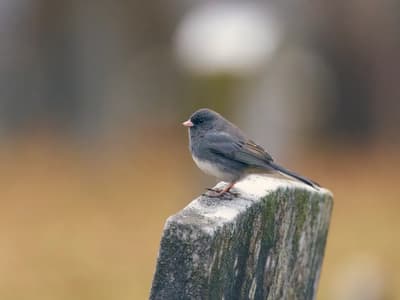
Dark-eyed JuncoJunco hyemalis 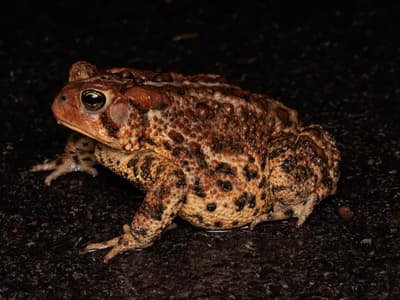
American ToadAnaxyrus americanus 
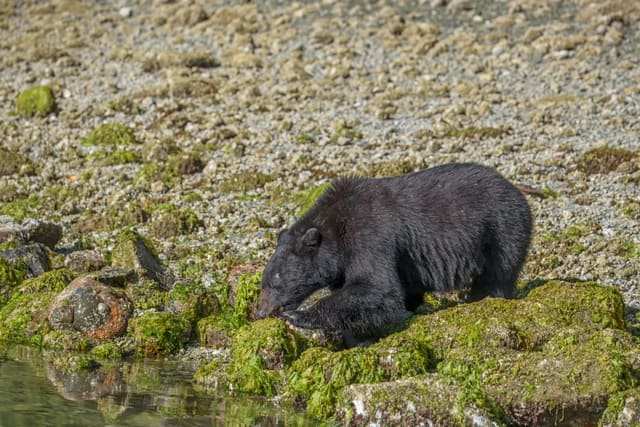
American Black BearUrsus americanus 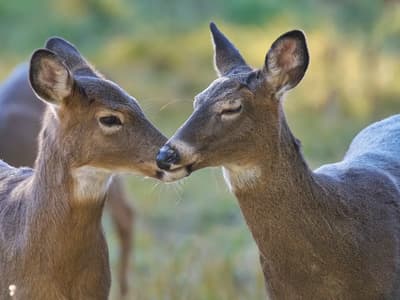
White-tailed DeerOdocoileus virginianus 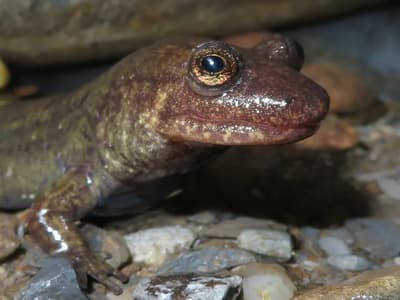
Cherokee Blackbelly SalamanderDesmognathus gvnigeusgwotli 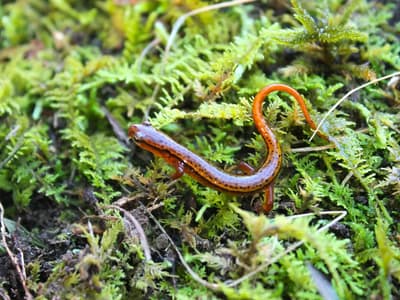
Blue Ridge Two-lined SalamanderEurycea wilderae 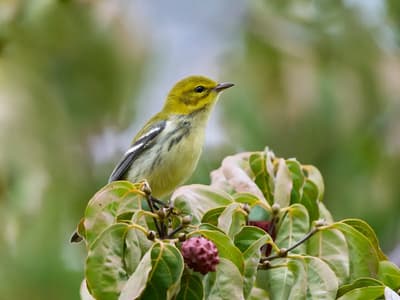
Black-throated Green WarblerSetophaga virens 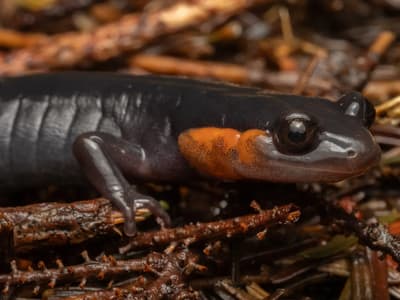
Red-cheeked SalamanderPlethodon jordani 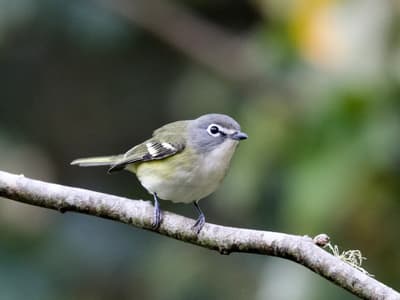
Blue-headed VireoVireo solitarius 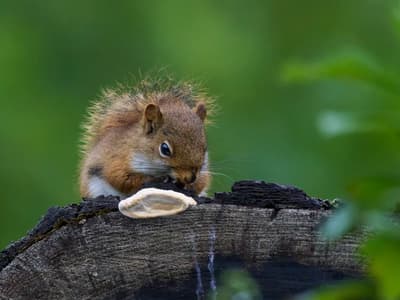
American Red SquirrelTamiasciurus hudsonicus
Where and when to look
Cades Cove and Cataloochee Valley are open valleys where white-tailed deer, wild turkeys and black bears are often seen, and elk graze in Cataloochee.
The park is known for its salamanders. Look under rocks and logs along streams on damp days.
Early morning and evening are the best times for mammals, and spring brings the most bird song.
Of the animals in this guide, 167 on the ground, 144 in or near water, 137 in trees and 38 in the air are often seen there. 30 animals are active mostly at night and 25 are most active at dawn and dusk.
Animals that look alike
- Beaver vs. river otter
- Bald eagle vs. golden eagle
- Juvenile bald eagle vs. golden eagle
- Bald eagle vs. osprey
- Red-tailed hawk vs. red-shouldered hawk
- American crow vs. common raven
- Downy woodpecker vs. hairy woodpecker
- Merlin vs. peregrine falcon
- Great horned owl vs. barred owl
- House finch vs. purple finch
- American toad vs. Fowler's toad
- Wood frog vs. spring peeper
- Rock bass vs. smallmouth bass
- Brook trout vs. brown trout
Every animal in this guide
Mammals 49
American Black BearUrsus americanus White-tailed DeerOdocoileus virginianus American Red SquirrelTamiasciurus hudsonicus 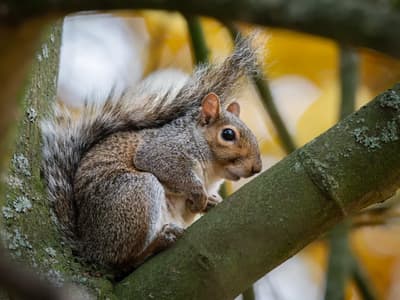
Eastern Gray SquirrelSciurus carolinensis 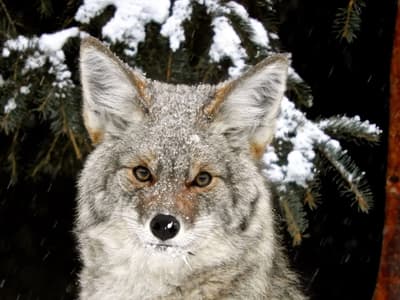
CoyoteCanis latrans 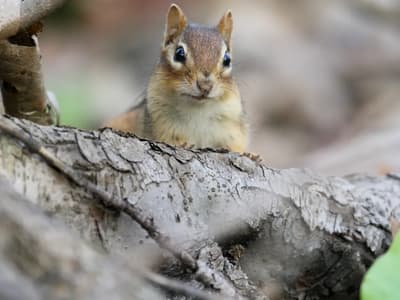
Eastern ChipmunkTamias striatus 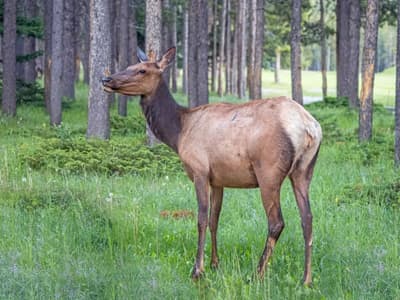
ElkCervus canadensis 
Wild BoarSus scrofa 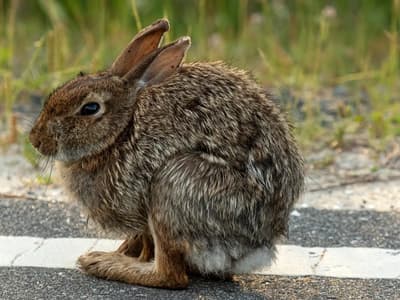
Eastern CottontailSylvilagus floridanus 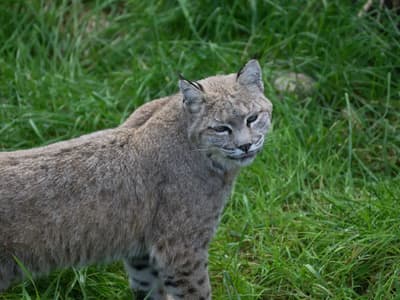
BobcatLynx rufus 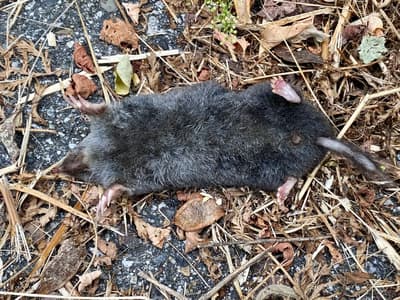
Hairy-tailed MoleParascalops breweri 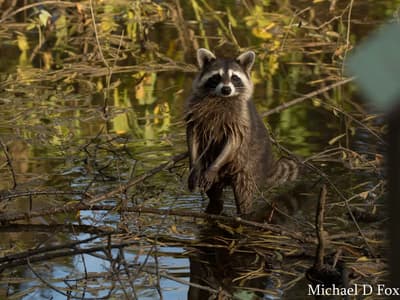
RaccoonProcyon lotor 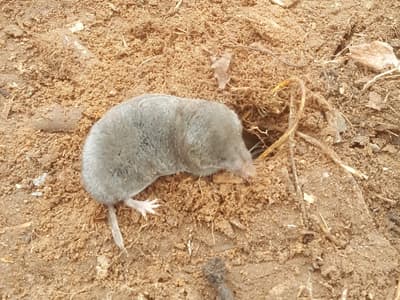
Northern Short-tailed ShrewBlarina brevicauda 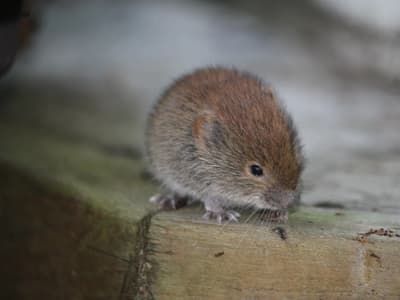
Southern Red-backed VoleClethrionomys gapperi 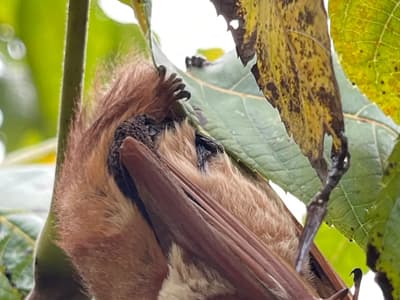
Eastern Red BatLasiurus borealis 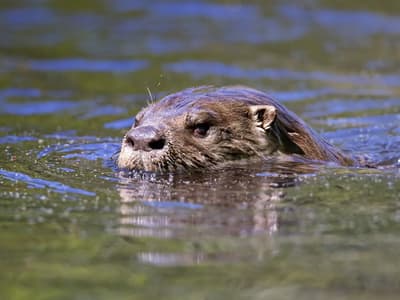
North American River OtterLontra canadensis 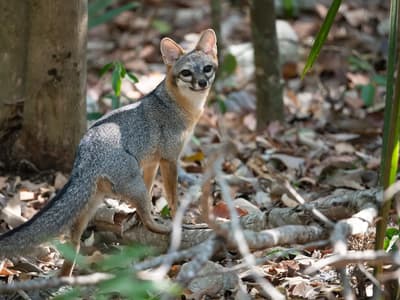
Gray FoxUrocyon cinereoargenteus 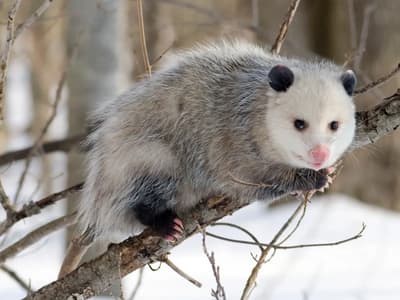
Virginia OpossumDidelphis virginiana 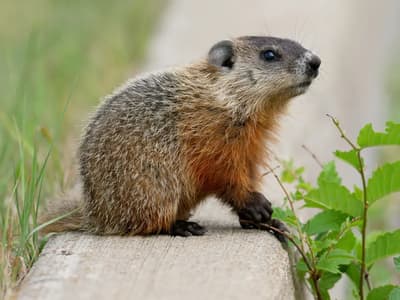
GroundhogMarmota monax 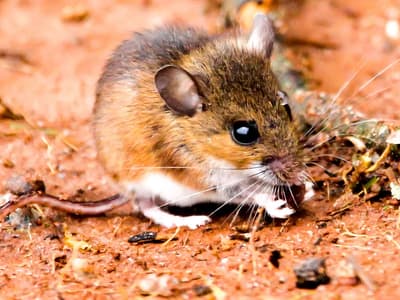
White-footed MousePeromyscus leucopus 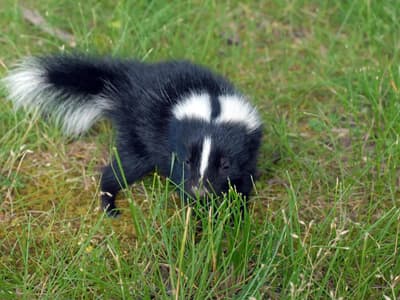
Striped SkunkMephitis mephitis 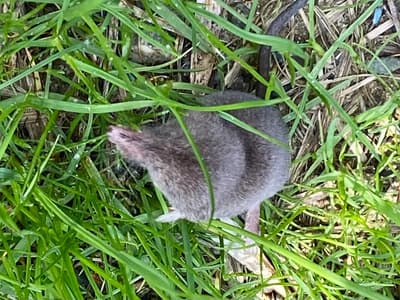
Smoky ShrewSorex fumeus 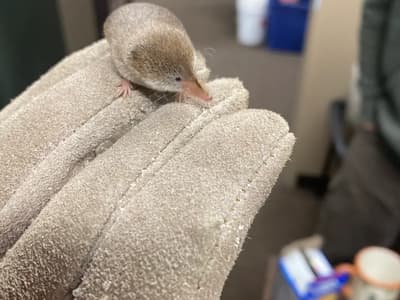
Masked ShrewSorex cinereus 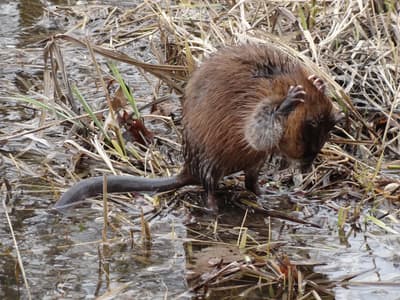
MuskratOndatra zibethicus 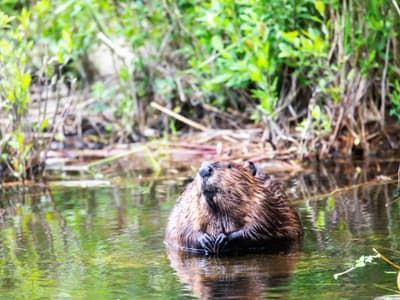
North American BeaverCastor canadensis 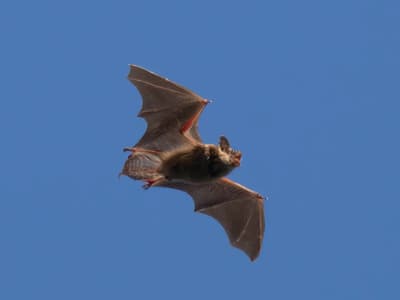
Big Brown BatEptesicus fuscus 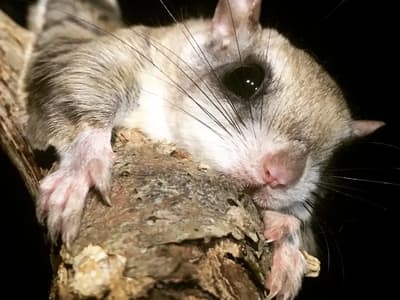
Southern Flying SquirrelGlaucomys volans 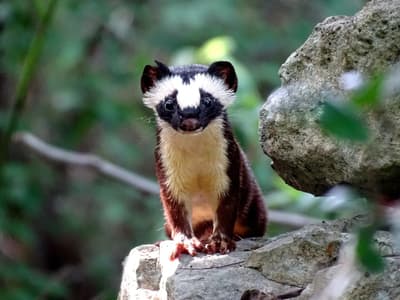
Long-tailed WeaselNeogale frenata 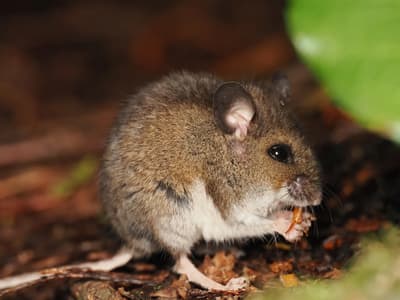
Deer MousePeromyscus maniculatus 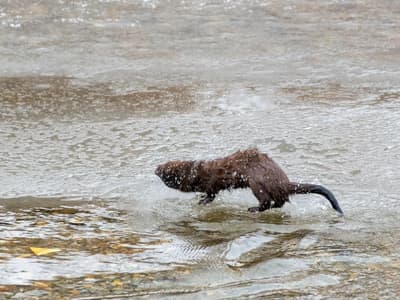
American MinkNeogale vison 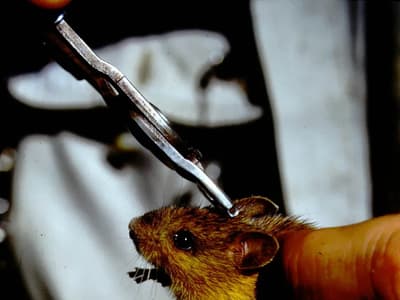
Woodland Jumping MouseNapaeozapus insignis 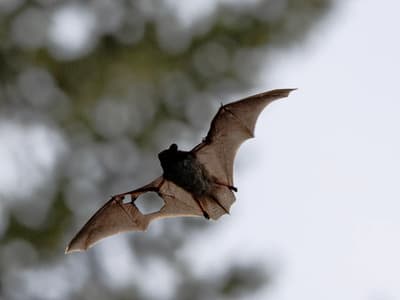
Silver-haired BatLasionycteris noctivagans 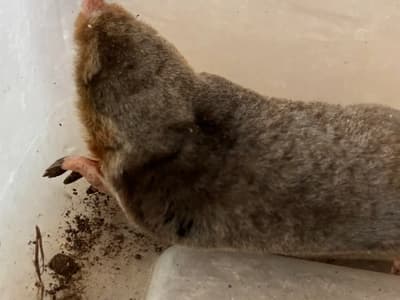
Eastern MoleScalopus aquaticus 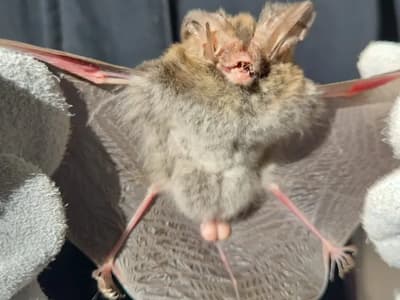
Rafinesque's Big-eared BatCorynorhinus rafinesquii 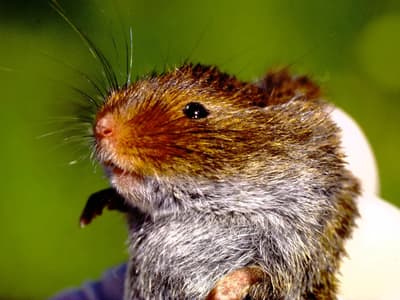
Rock VoleMicrotus chrotorrhinus 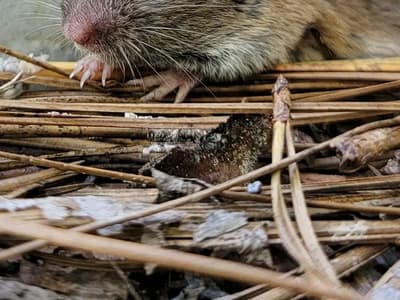
Woodland VoleMicrotus pinetorum 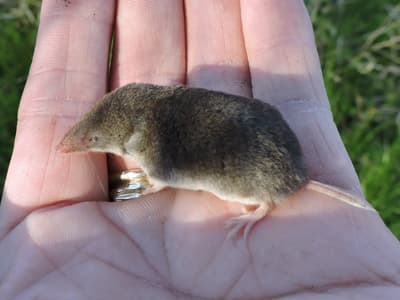
Least ShrewCryptotis parva 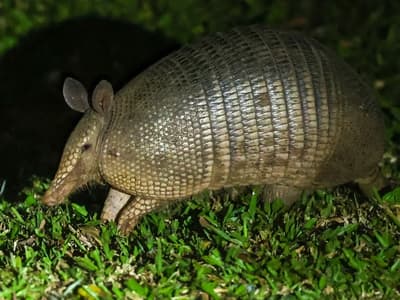
Nine-banded ArmadilloDasypus novemcinctus 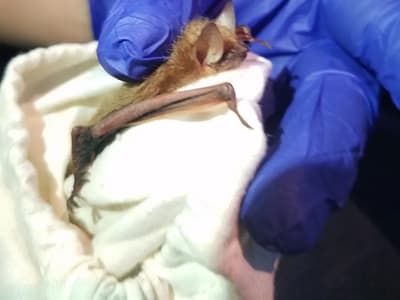
Tri-coloured BatPerimyotis subflavus 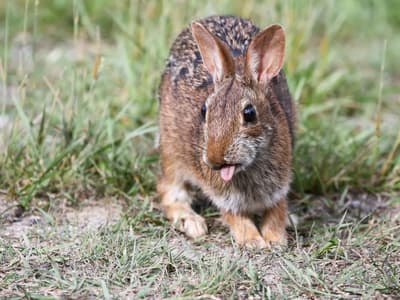
Appalachian CottontailSylvilagus obscurus 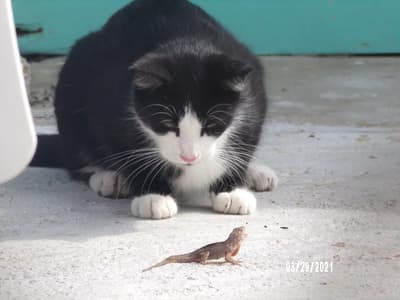
Domestic CatFelis catus 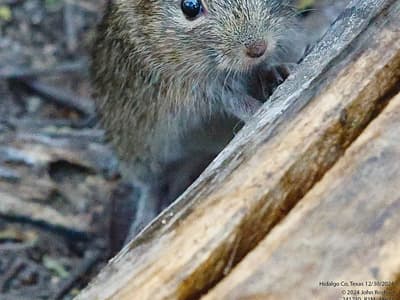
Hispid Cotton RatSigmodon hispidus 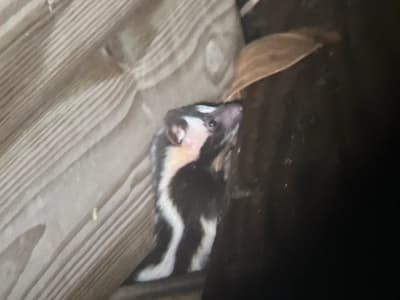
Alleghanian Spotted SkunkSpilogale putorius 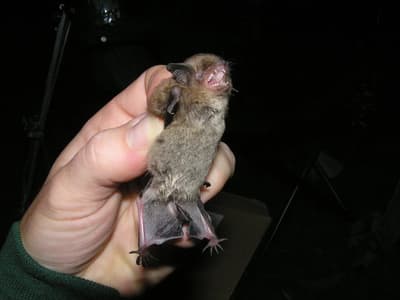
Indiana BatMyotis sodalis 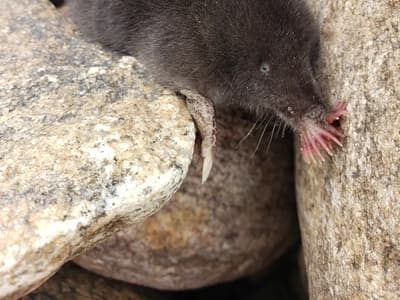
Star-nosed MoleCondylura cristata 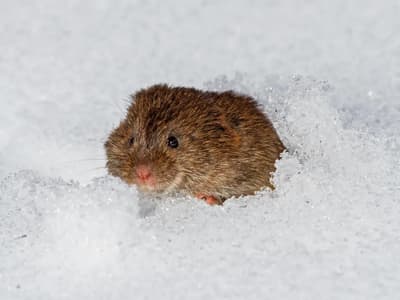
Meadow VoleMicrotus pennsylvanicus 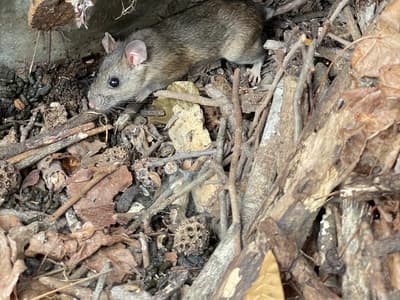
Eastern WoodratNeotoma floridana 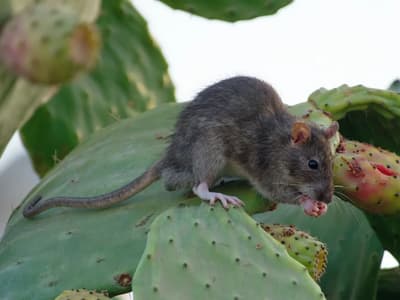
Brown RatRattus norvegicus 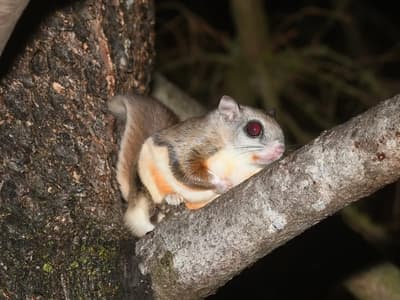
Northern Flying SquirrelGlaucomys sabrinus
Birds 217
Dark-eyed JuncoJunco hyemalis Black-throated Green WarblerSetophaga virens Blue-headed VireoVireo solitarius 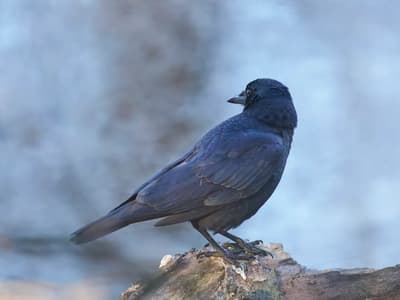
American CrowCorvus brachyrhynchos 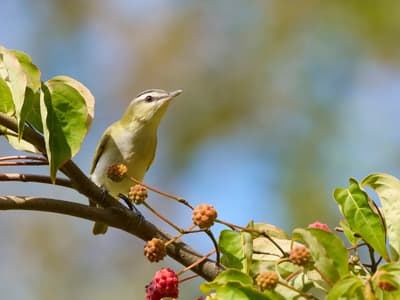
Red-eyed VireoVireo olivaceus 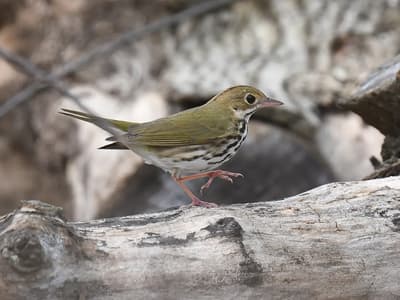
OvenbirdSeiurus aurocapilla 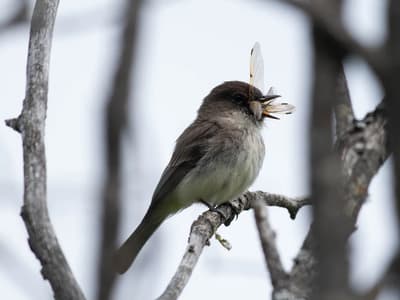
Eastern PhoebeSayornis phoebe 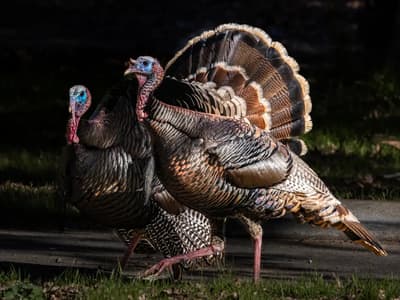
Wild TurkeyMeleagris gallopavo 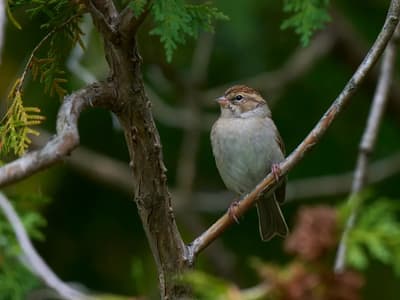
Chipping SparrowSpizella passerina 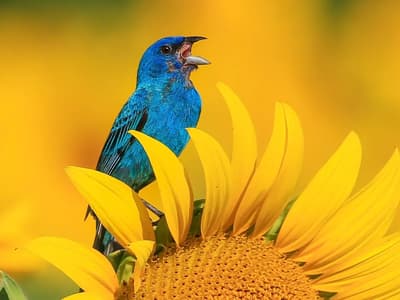
Indigo BuntingPasserina cyanea 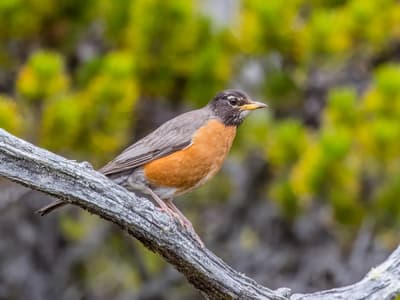
American RobinTurdus migratorius 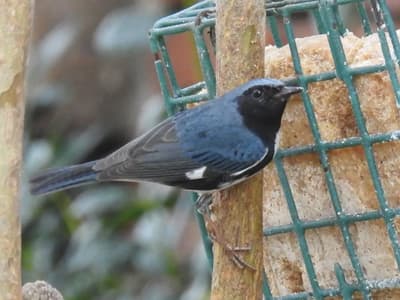
Black-throated Blue WarblerSetophaga caerulescens 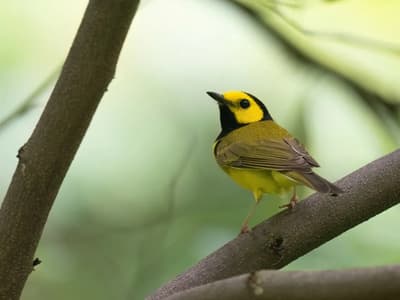
Hooded WarblerSetophaga citrina 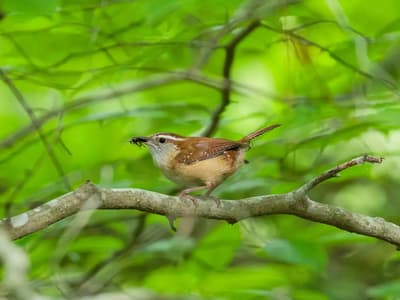
Carolina WrenThryothorus ludovicianus 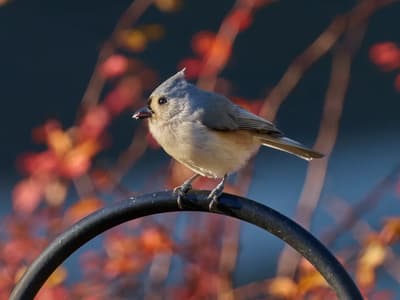
Tufted TitmouseBaeolophus bicolor 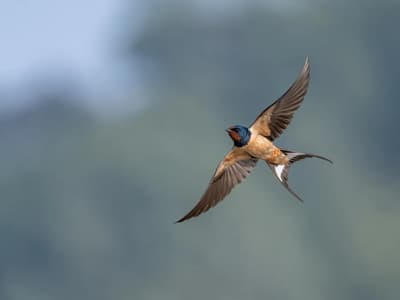
Barn SwallowHirundo rustica 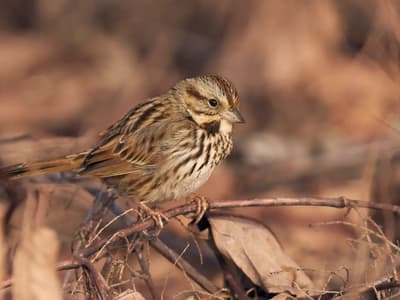
Song SparrowMelospiza melodia 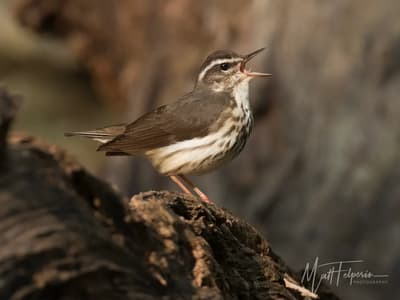
Louisiana WaterthrushParkesia motacilla 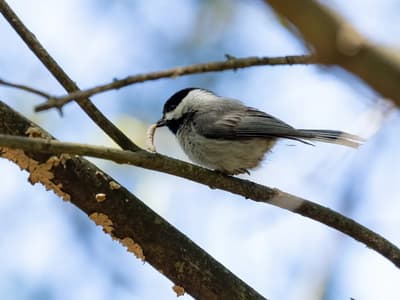
Carolina ChickadeePoecile carolinensis 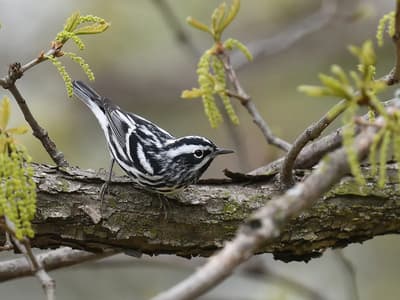
Black-and-white WarblerMniotilta varia 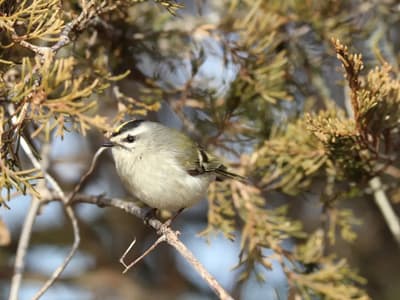
Golden-crowned KingletRegulus satrapa 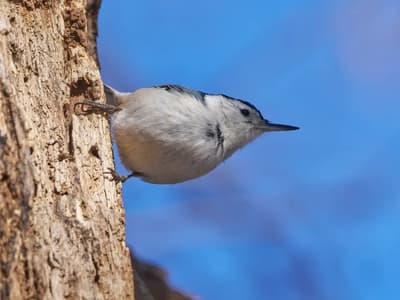
White-breasted NuthatchSitta carolinensis 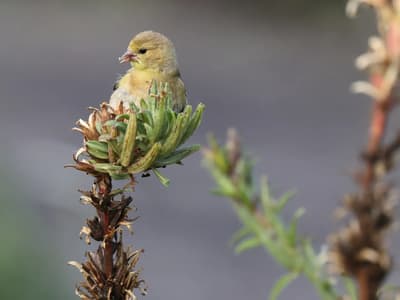
American GoldfinchSpinus tristis 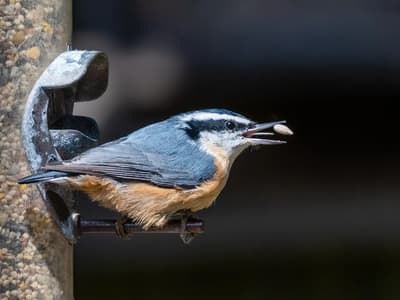
Red-breasted NuthatchSitta canadensis 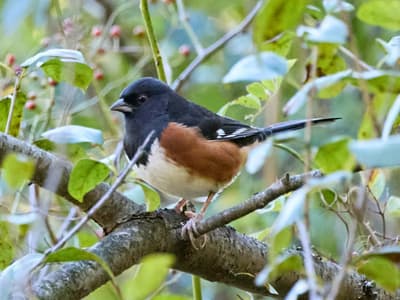
Eastern TowheePipilo erythrophthalmus 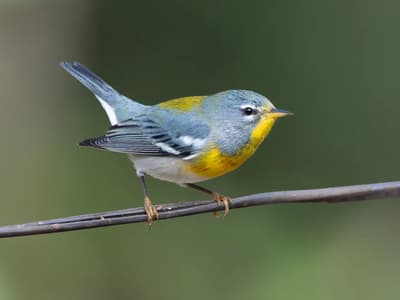
Northern ParulaSetophaga americana 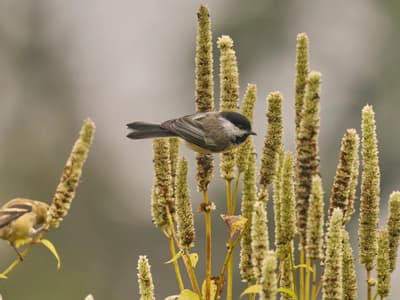
Black-capped ChickadeePoecile atricapillus 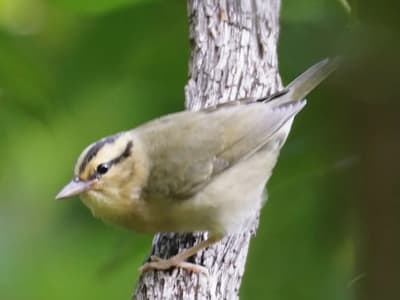
Worm-eating WarblerHelmitheros vermivorus 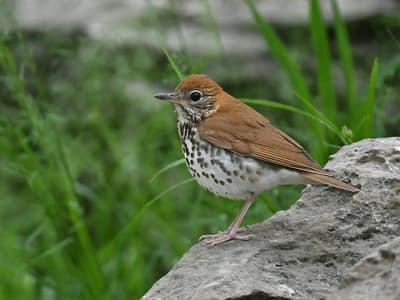
Wood ThrushHylocichla mustelina 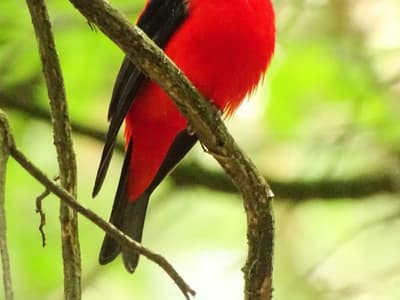
Scarlet TanagerPiranga olivacea 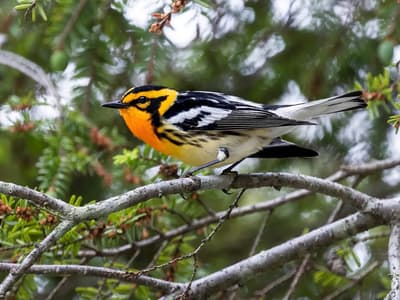
Blackburnian WarblerSetophaga fusca 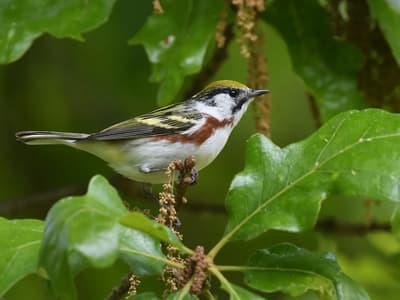
Chestnut-sided WarblerSetophaga pensylvanica 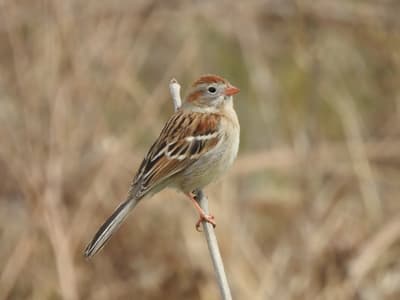
Field SparrowSpizella pusilla 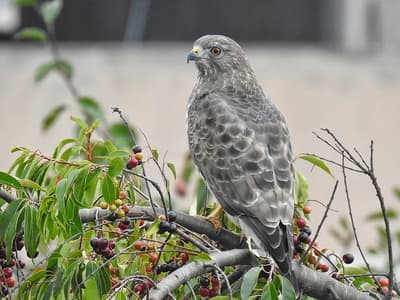
Broad-Winged HawkButeo platypterus 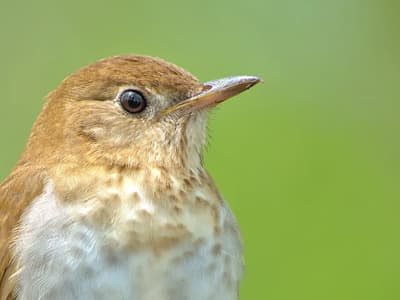
VeeryCatharus fuscescens 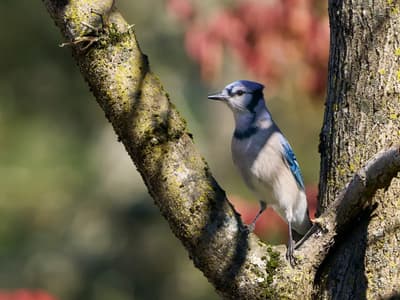
Blue JayCyanocitta cristata 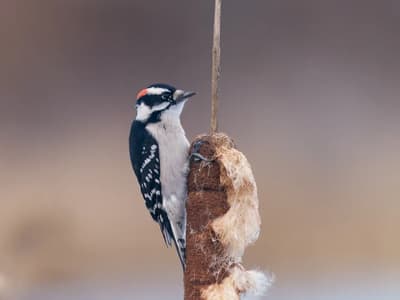
Downy WoodpeckerDryobates pubescens 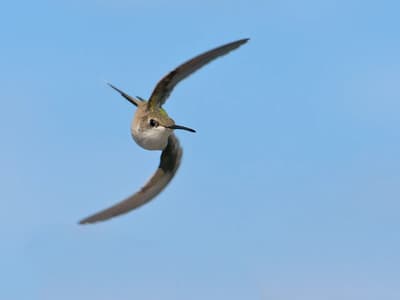
Ruby-throated HummingbirdArchilochus colubris 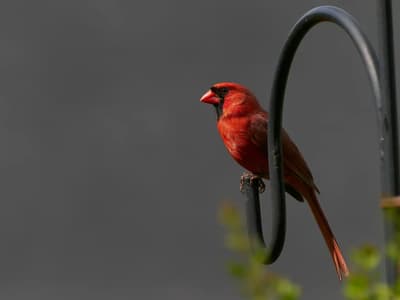
Northern CardinalCardinalis cardinalis 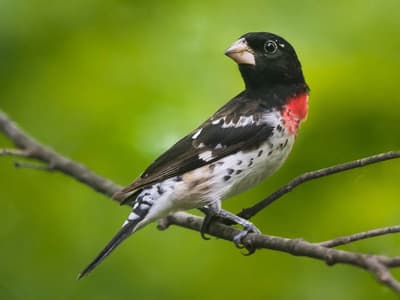
Rose-breasted GrosbeakPheucticus ludovicianus 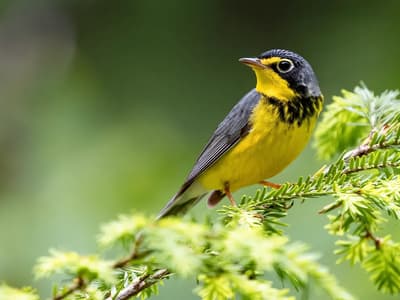
Canada WarblerCardellina canadensis 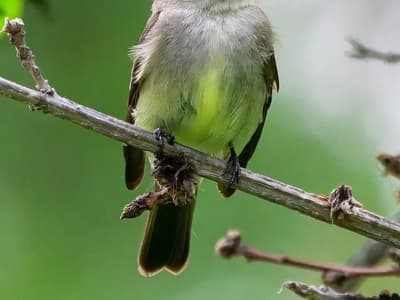
Eastern Wood-PeweeContopus virens 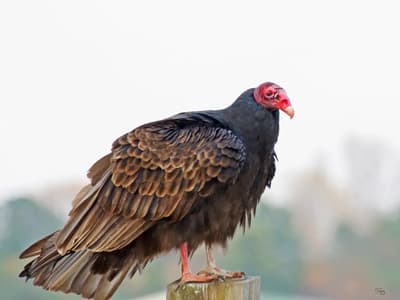
Turkey VultureCathartes aura 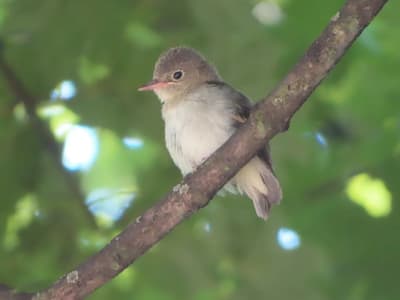
Acadian FlycatcherEmpidonax virescens 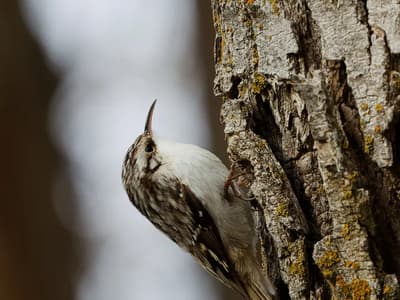
Brown CreeperCerthia americana 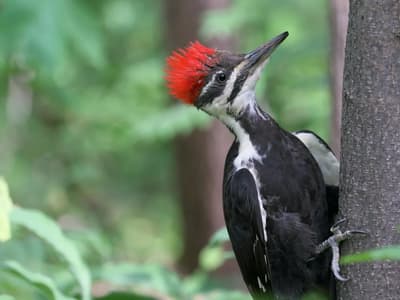
Pileated WoodpeckerDryocopus pileatus 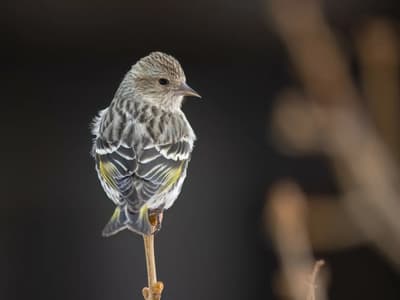
Pine SiskinSpinus pinus 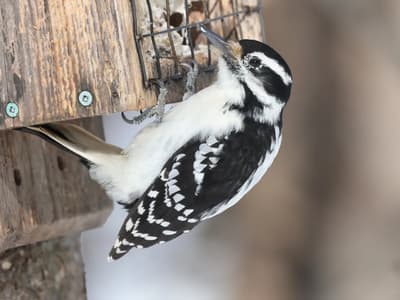
Hairy WoodpeckerLeuconotopicus villosus 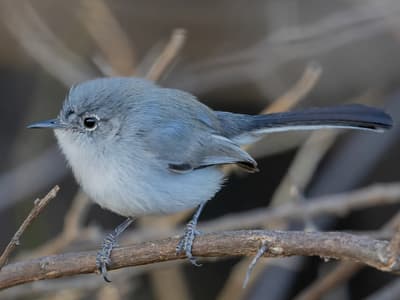
Blue-gray GnatcatcherPolioptila caerulea 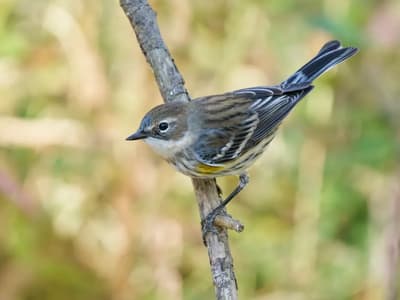
Yellow-rumped WarblerSetophaga coronata 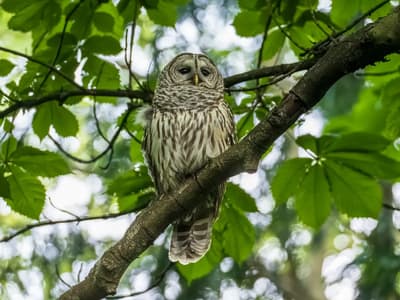
Barred OwlStrix varia 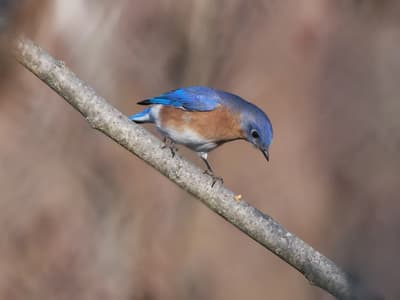
Eastern BluebirdSialia sialis 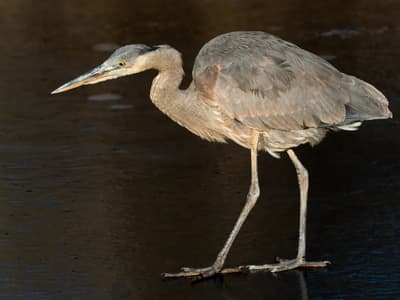
Great Blue HeronArdea herodias 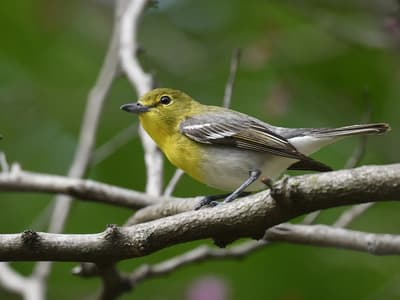
Yellow-throated VireoVireo flavifrons 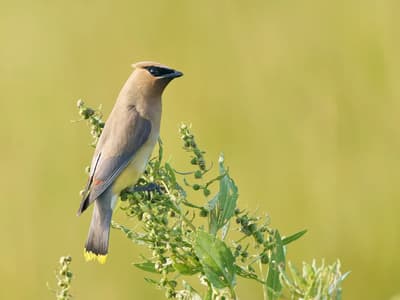
Cedar WaxwingBombycilla cedrorum 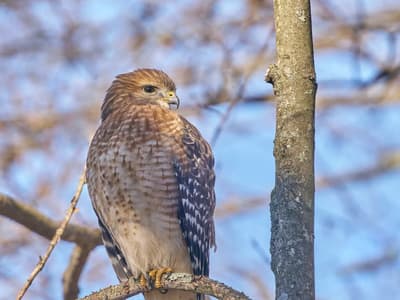
Red-shouldered HawkButeo lineatus 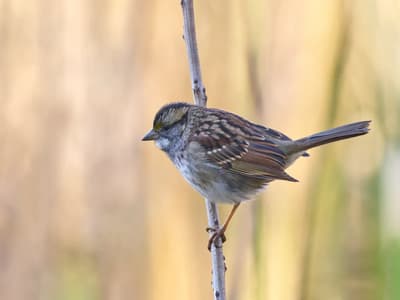
White-throated SparrowZonotrichia albicollis 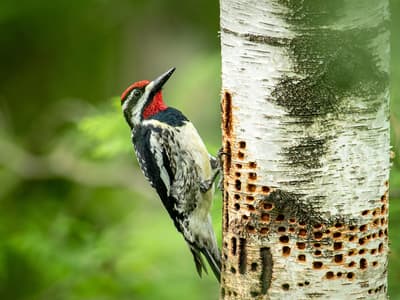
Yellow-bellied SapsuckerSphyrapicus varius 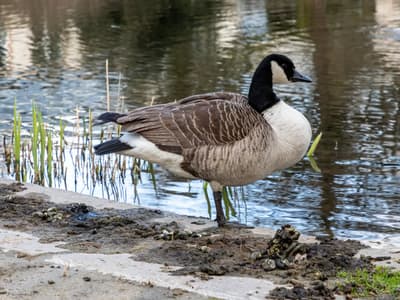
Canada GooseBranta canadensis 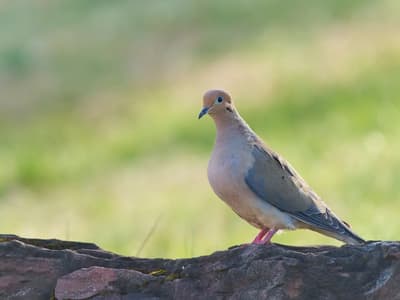
Mourning DoveZenaida macroura 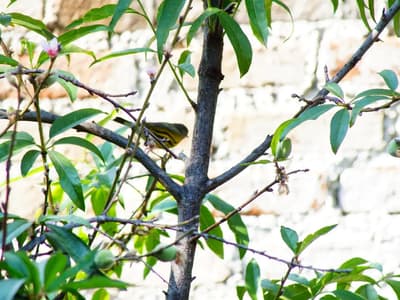
Magnolia WarblerSetophaga magnolia 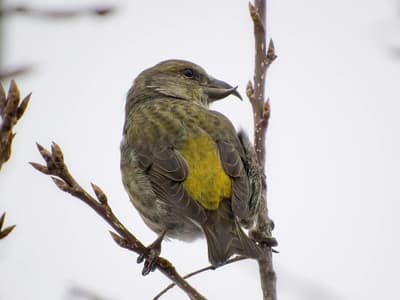
Red CrossbillLoxia curvirostra 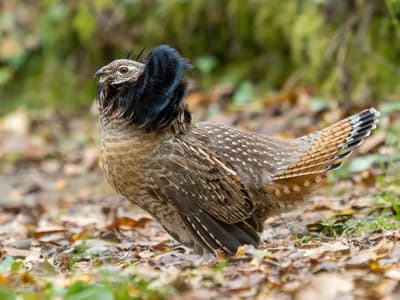
Ruffed GrouseBonasa umbellus 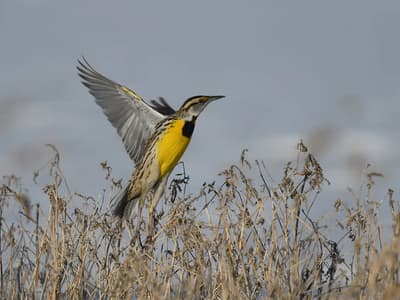
Eastern MeadowlarkSturnella magna 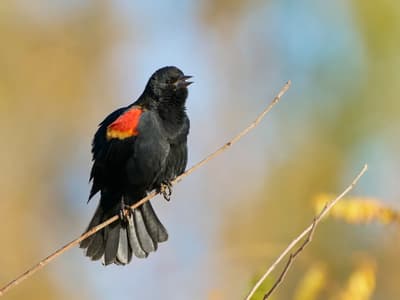
Red-winged BlackbirdAgelaius phoeniceus 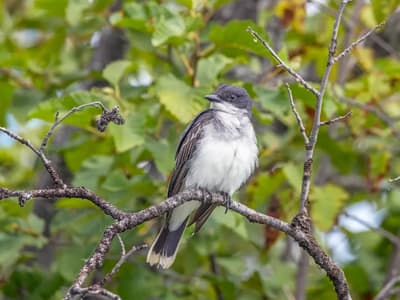
Eastern KingbirdTyrannus tyrannus 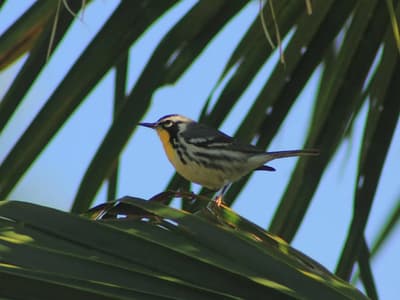
Yellow-throated WarblerSetophaga dominica 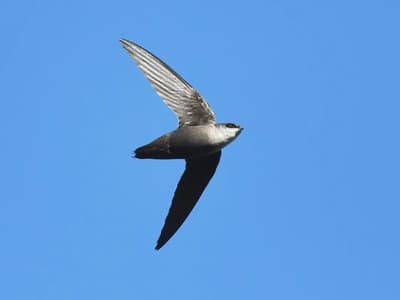
Chimney SwiftChaetura pelagica 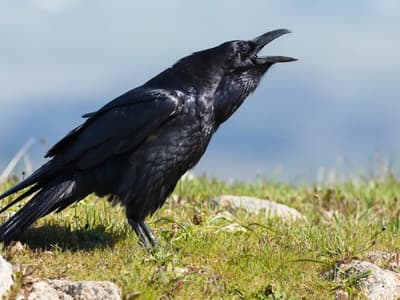
Common RavenCorvus corax 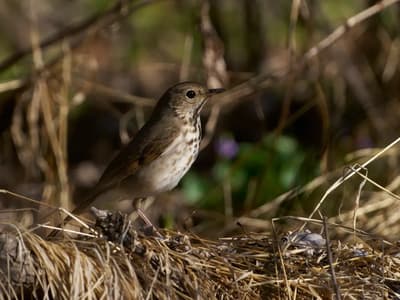
Hermit ThrushCatharus guttatus 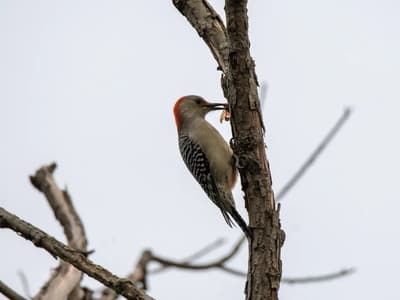
Red-bellied WoodpeckerMelanerpes carolinus 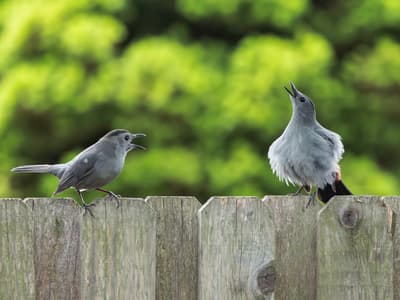
Gray CatbirdDumetella carolinensis 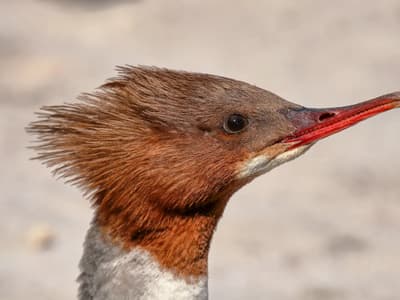
Common MerganserMergus merganser 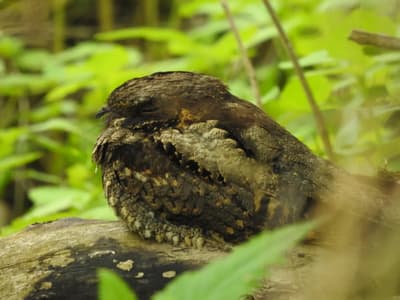
Eastern Whip-poor-willAntrostomus vociferus 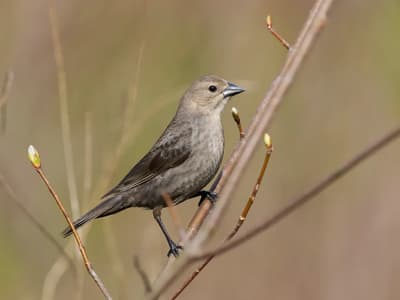
Brown-headed CowbirdMolothrus ater 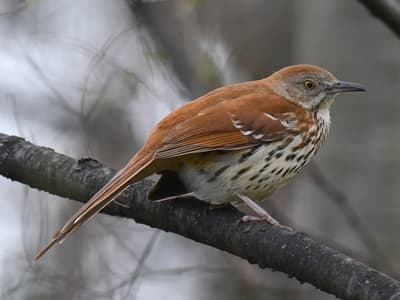
Brown ThrasherToxostoma rufum 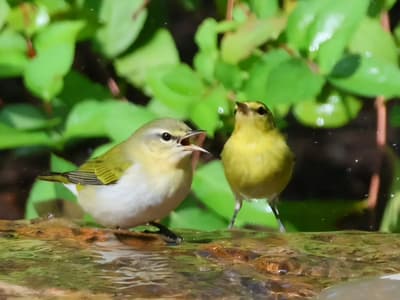
Tennessee WarblerLeiothlypis peregrina 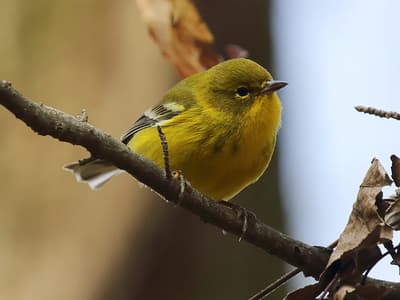
Pine WarblerSetophaga pinus 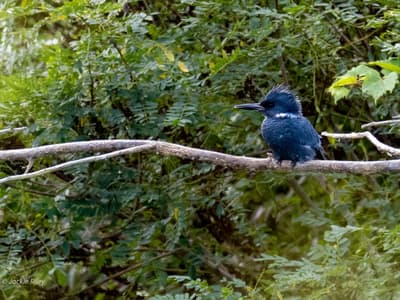
Belted KingfisherMegaceryle alcyon 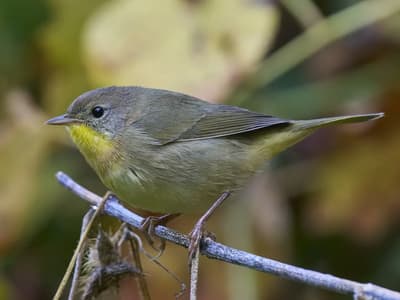
Common YellowthroatGeothlypis trichas 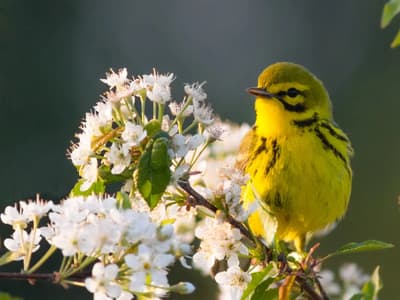
Prairie WarblerSetophaga discolor 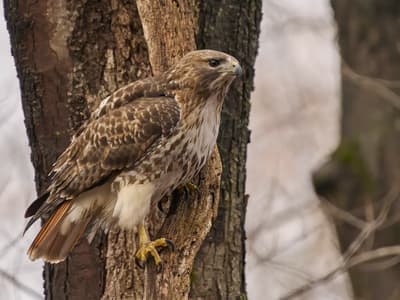
Red-tailed HawkButeo jamaicensis 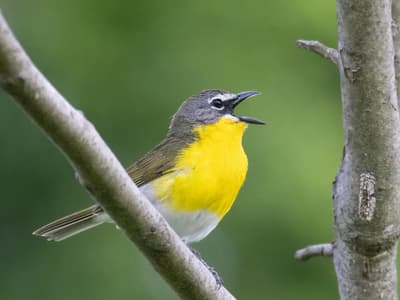
Yellow-breasted ChatIcteria virens 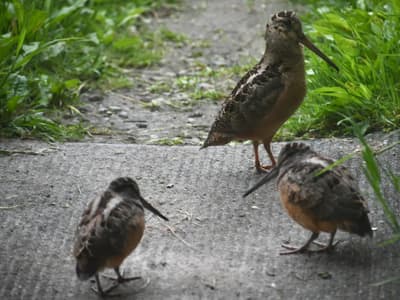
American WoodcockScolopax minor 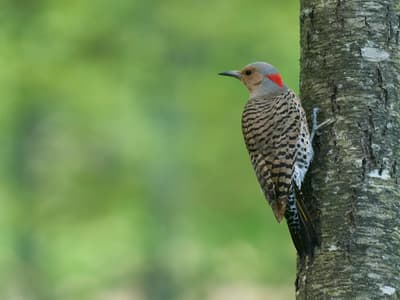
Northern FlickerColaptes auratus 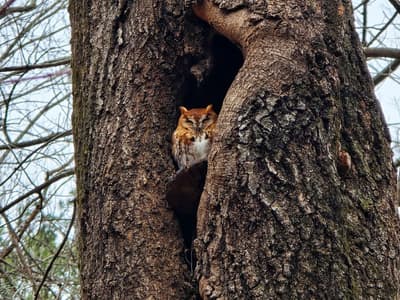
Eastern Screech-OwlMegascops asio 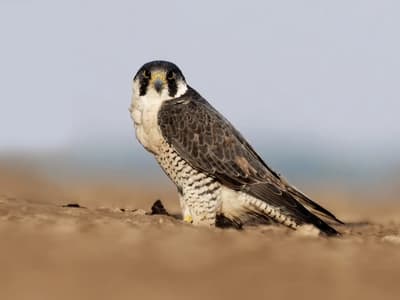
Peregrine FalconFalco peregrinus 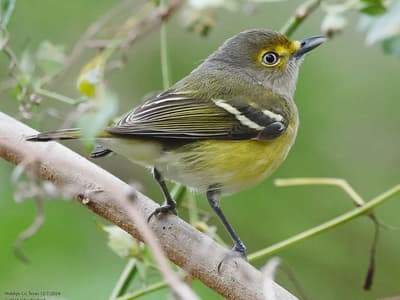
White-eyed VireoVireo griseus 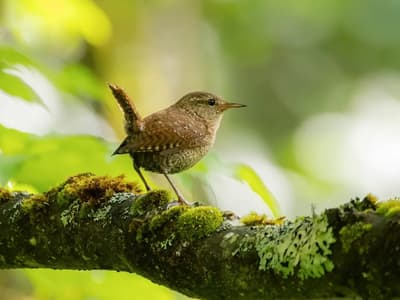
Winter WrenNannus hiemalis 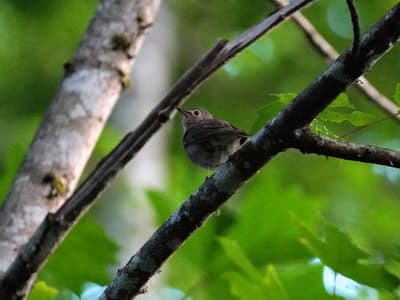
Swainson's ThrushCatharus ustulatus 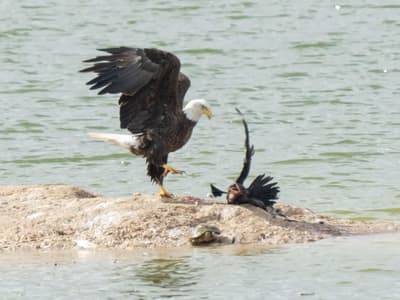
Bald EagleHaliaeetus leucocephalus 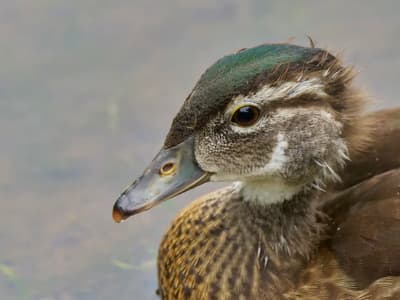
Wood DuckAix sponsa 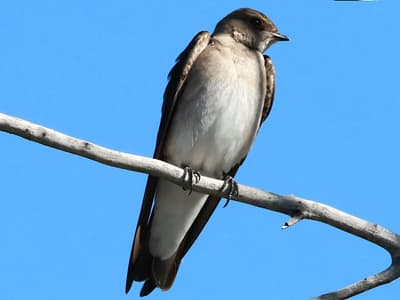
Northern Rough-winged SwallowStelgidopteryx serripennis 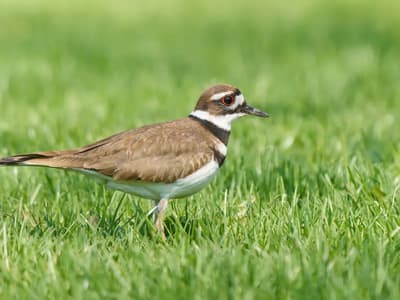
KilldeerCharadrius vociferus 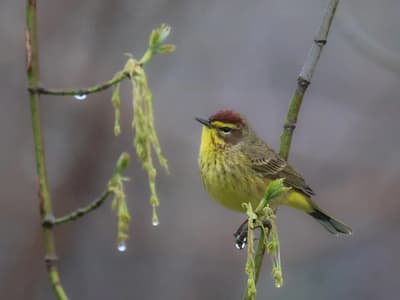
Palm WarblerDendroica palmarum 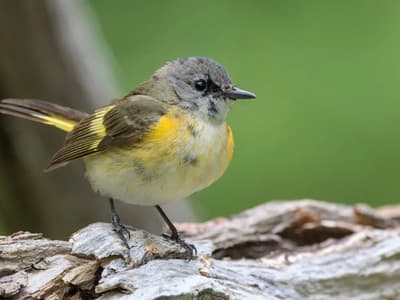
American RedstartSetophaga ruticilla 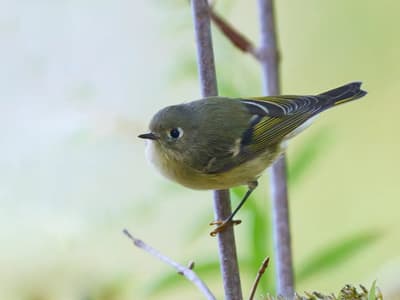
Ruby-crowned KingletCorthylio calendula 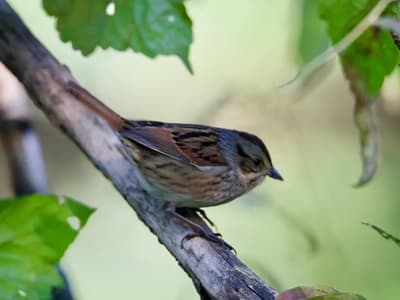
Swamp SparrowMelospiza georgiana 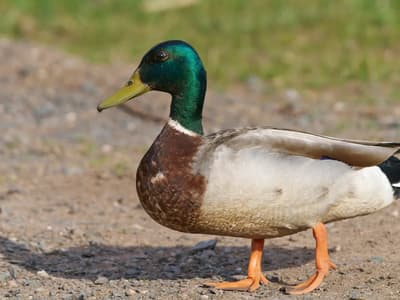
MallardAnas platyrhynchos 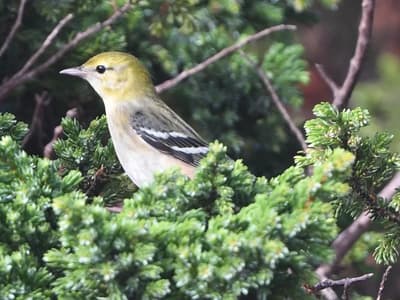
Bay-breasted WarblerDendroica castanea 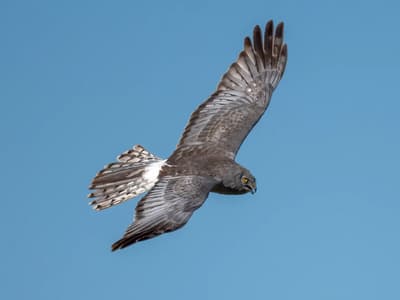
Northern HarrierCircus hudsonius 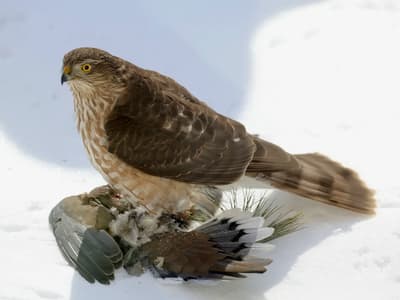
Sharp-shinned HawkAccipiter striatus 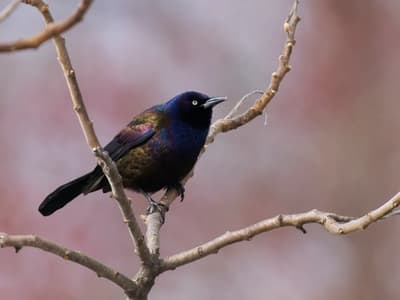
Common GrackleQuiscalus quiscula 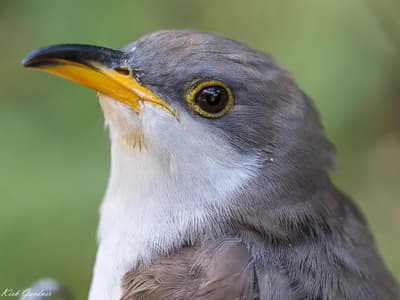
Yellow-billed CuckooCoccyzus americanus 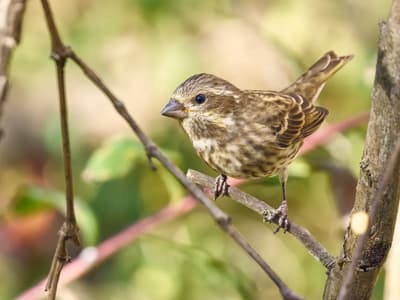
Purple FinchHaemorhous purpureus 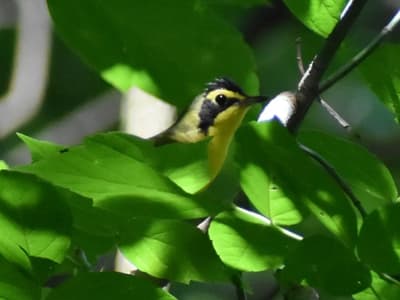
Kentucky WarblerGeothlypis formosa 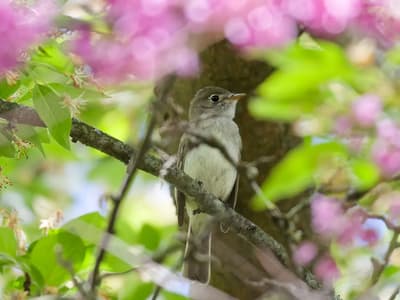
Least FlycatcherEmpidonax minimus 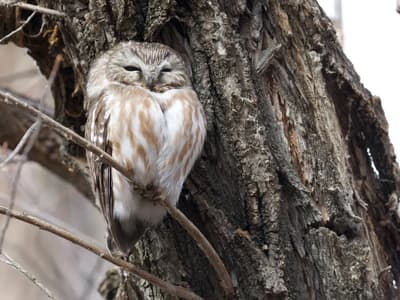
Northern Saw-whet OwlAegolius acadicus 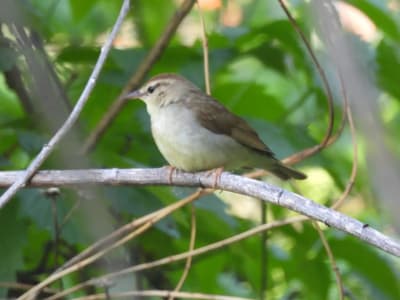
Swainson's WarblerLimnothlypis swainsonii 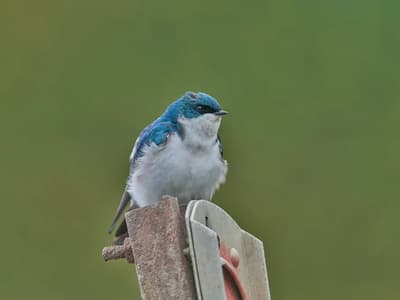
Tree SwallowTachycineta bicolor 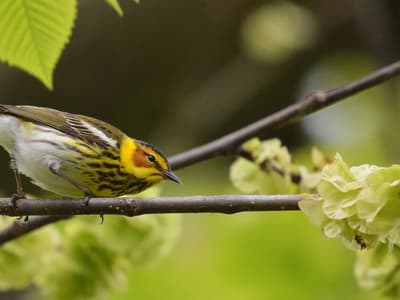
Cape May WarblerDendroica tigrina 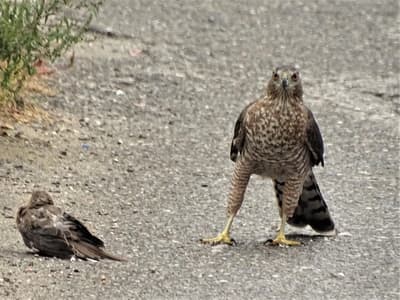
Cooper's HawkAstur cooperii 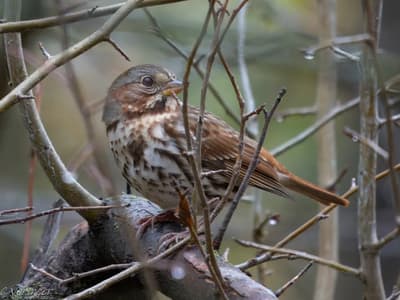
Fox SparrowPasserella iliaca 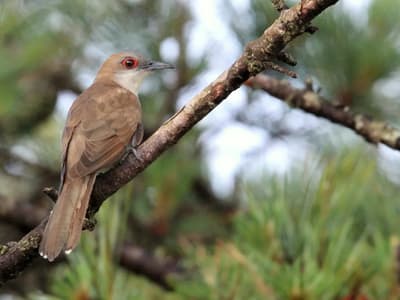
Black-billed CuckooCoccyzus erythropthalmus 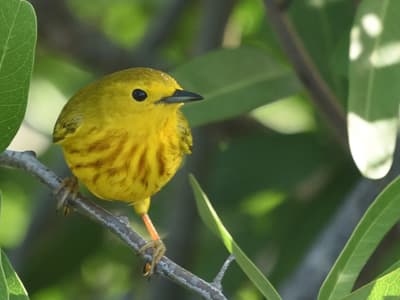
Yellow WarblerSetophaga petechia 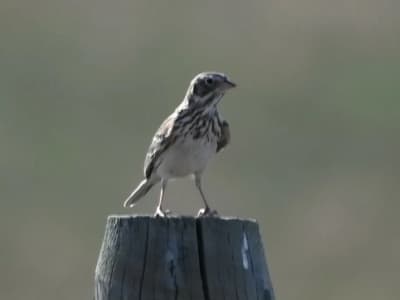
Vesper SparrowPooecetes gramineus 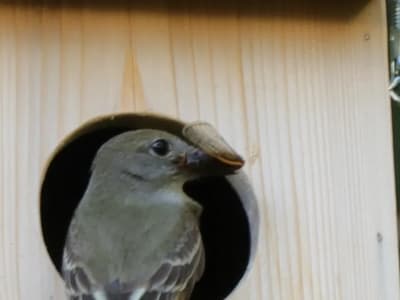
Crested FlycatcherMyiarchus crinitus 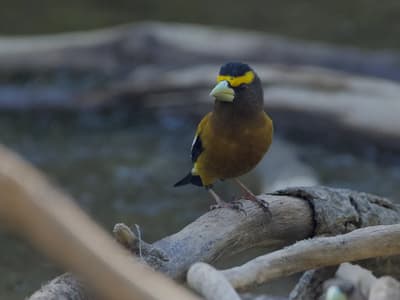
Evening GrosbeakCoccothraustes vespertinus 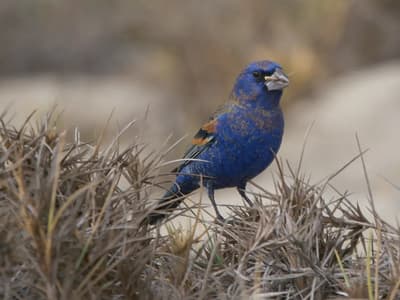
Blue GrosbeakPasserina caerulea 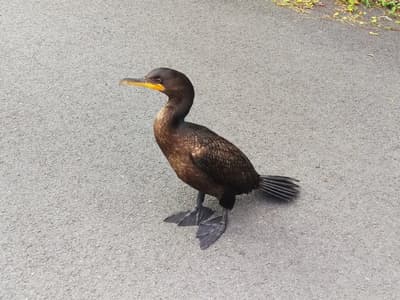
Double-crested CormorantNannopterum auritum 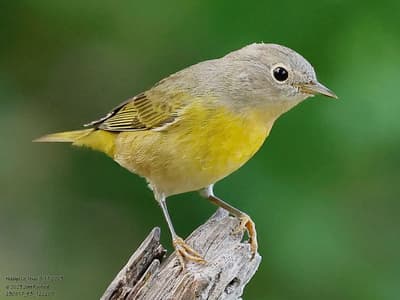
Nashville WarblerVermivora ruficapilla 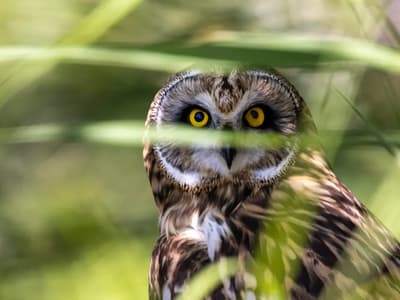
Short-eared OwlAsio flammeus 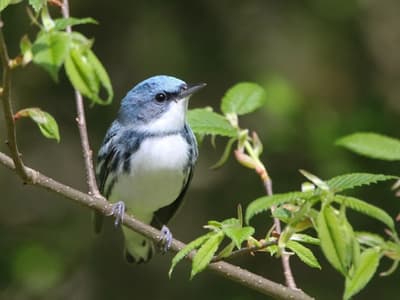
Cerulean WarblerSetophaga cerulea 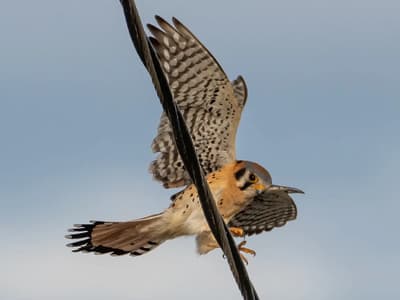
American KestrelFalco sparverius 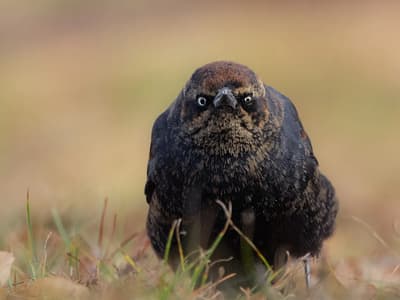
Rusty BlackbirdEuphagus carolinus 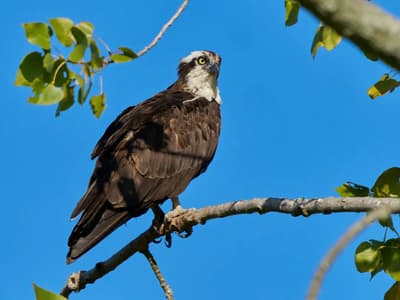
OspreyPandion haliaetus 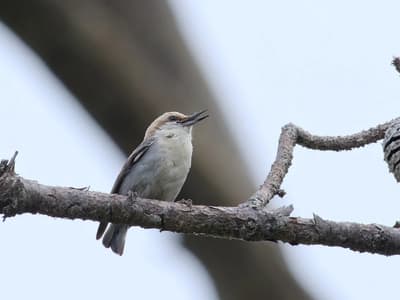
Brown-headed NuthatchSitta pusilla 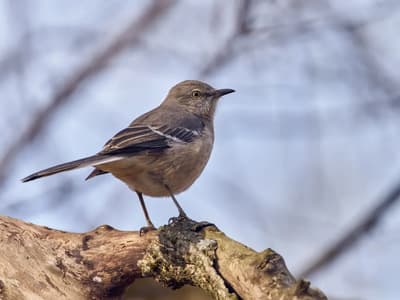
Northern MockingbirdMimus polyglottos 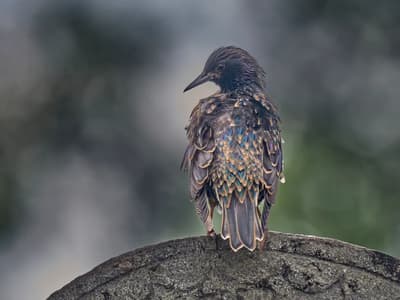
Common StarlingSturnus vulgaris 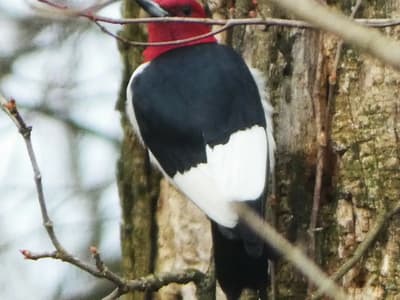
Red-headed WoodpeckerMelanerpes erythrocephalus 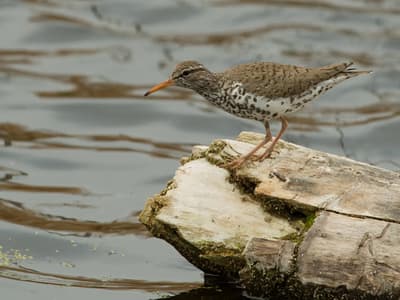
Spotted SandpiperActitis macularia 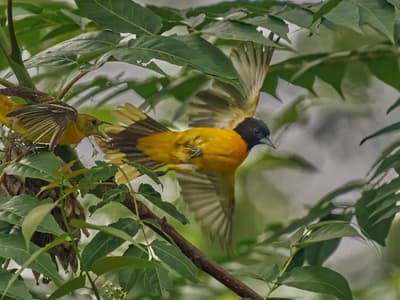
Northern OrioleIcterus galbula 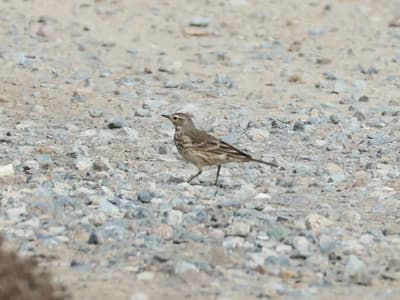
American PipitAnthus rubescens 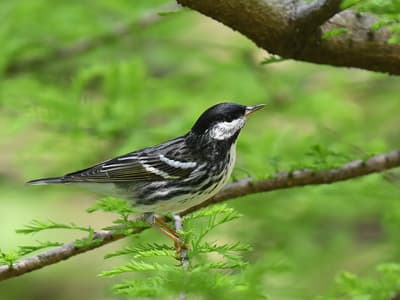
Blackpoll WarblerDendroica striata 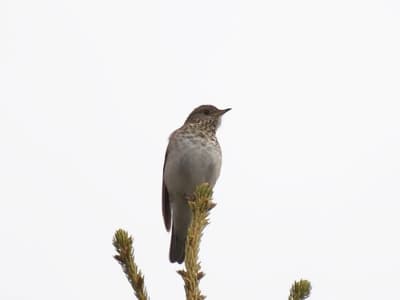
Grey-cheeked ThrushCatharus minimus 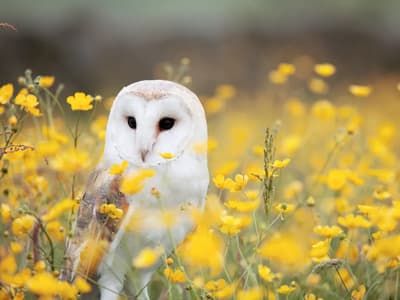
Barn OwlTyto alba 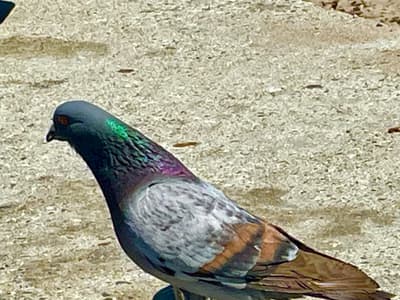
Rock PigeonColumba livia 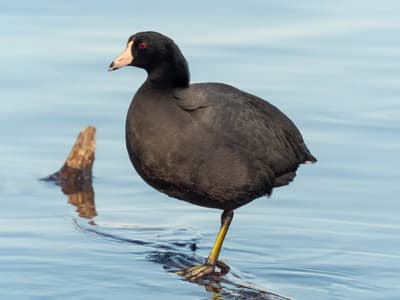
American CootFulica americana 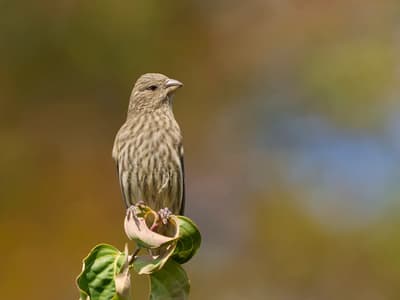
House FinchHaemorhous mexicanus 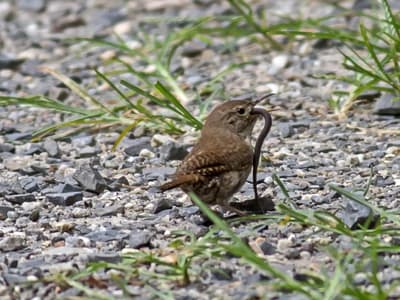
Northern House WrenTroglodytes aedon 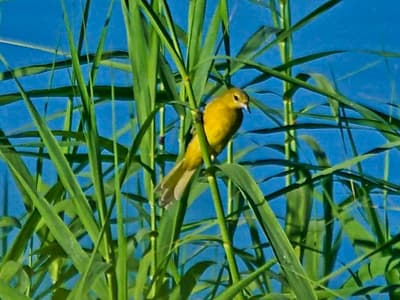
Orchard OrioleIcterus spurius 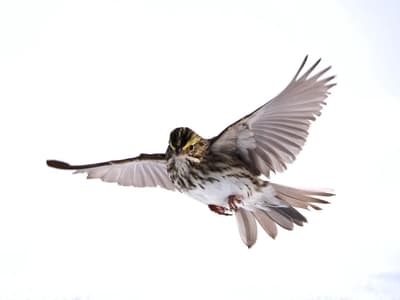
Savannah SparrowPasserculus sandwichensis 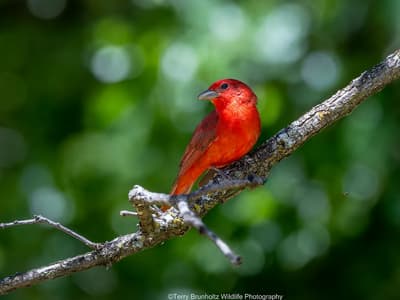
Summer TanagerPiranga rubra 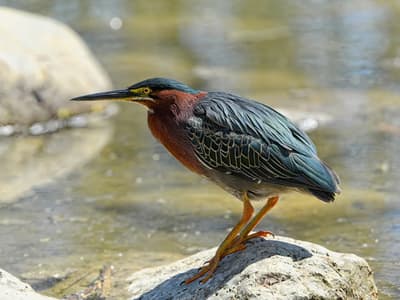
Green HeronButorides virescens 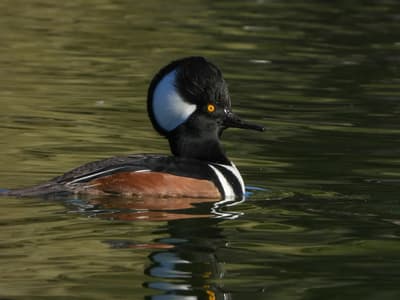
Hooded MerganserLophodytes cucullatus 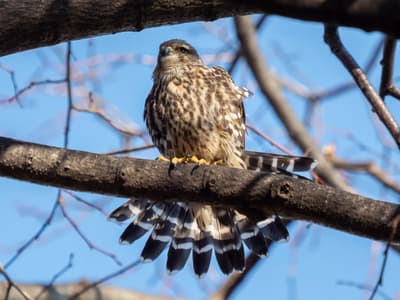
MerlinFalco columbarius 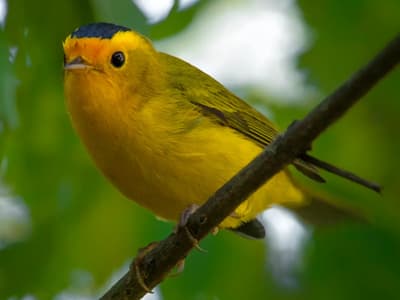
Wilson's WarblerCardellina pusilla 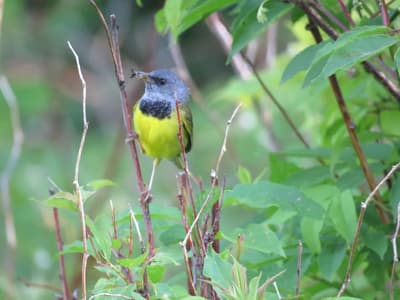
Mourning WarblerOporornis philadelphia 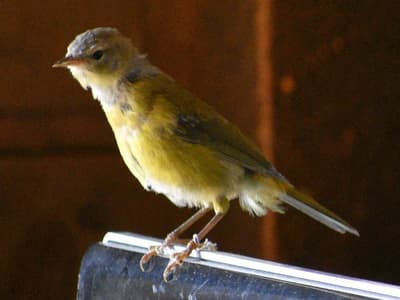
Orange-crowned WarblerOreothlypis celata 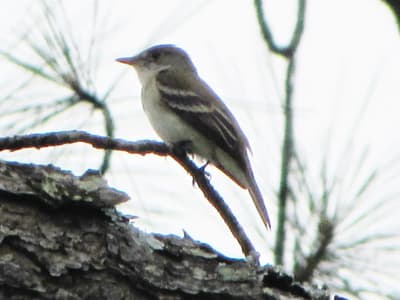
Willow FlycatcherEmpidonax traillii 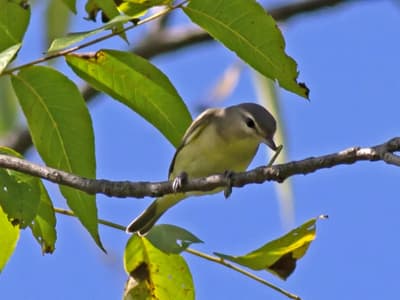
Philadelphia VireoVireo philadelphicus 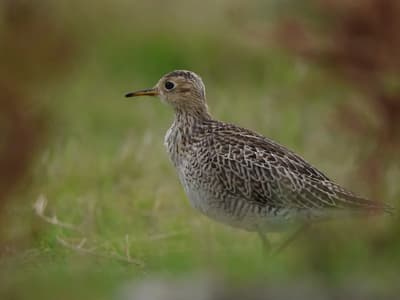
Upland SandpiperBartramia longicauda 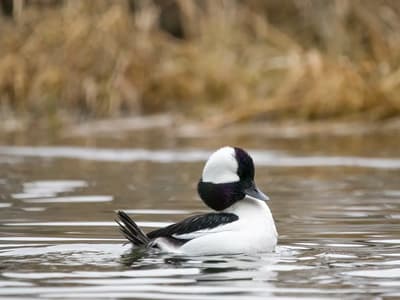
BuffleheadBucephala albeola 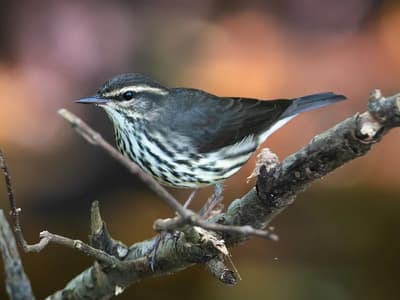
Northern WaterthrushSeiurus noveboracensis 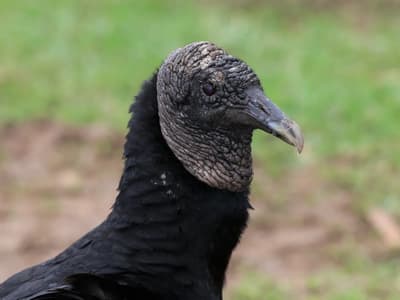
Black VultureCoragyps atratus 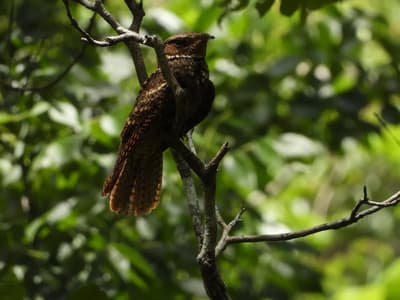
Chuck-will's-widowAntrostomus carolinensis 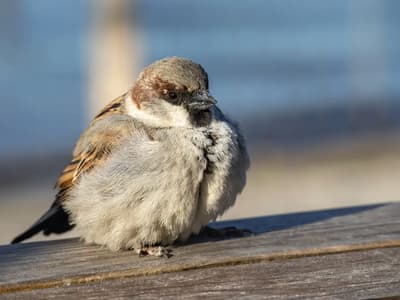
House SparrowPasser domesticus 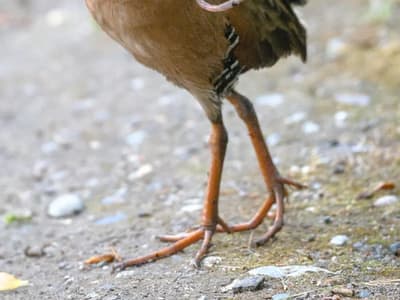
Virginia RailRallus limicola 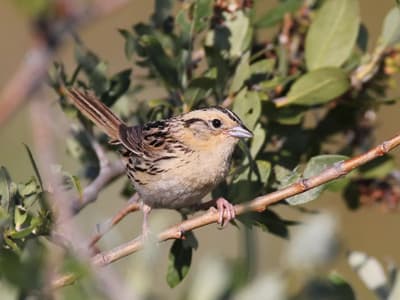
LeConte's SparrowAmmospiza leconteii 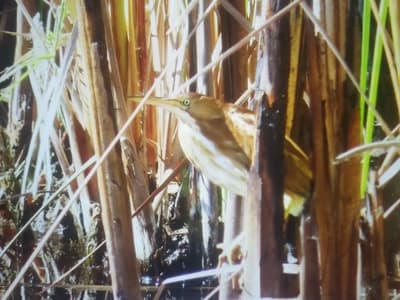
Least BitternIxobrychus exilis 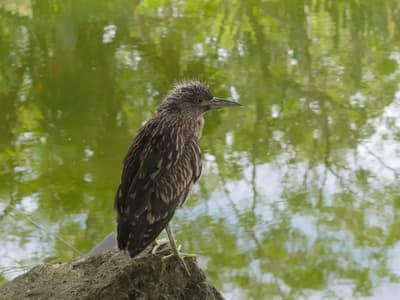
Black-crowned Night-heronNycticorax nycticorax 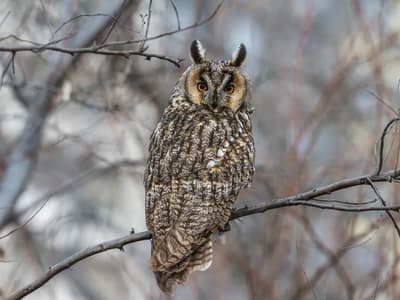
Long-eared OwlAsio otus 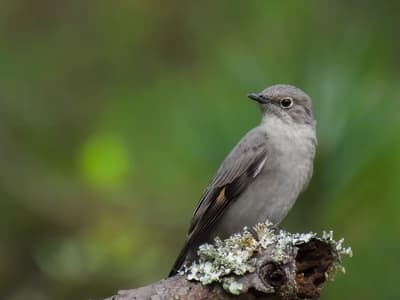
Townsend's SolitaireMyadestes townsendi 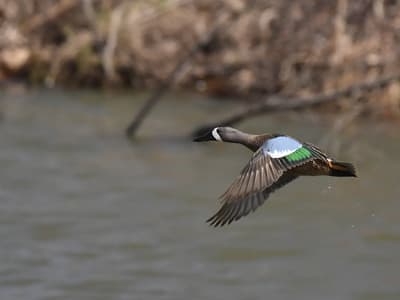
Blue-winged TealSpatula discors 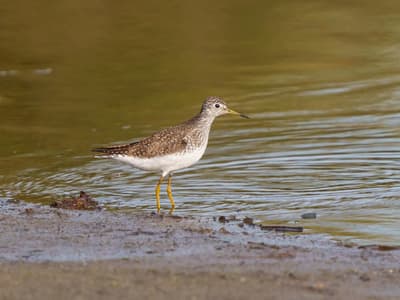
Solitary SandpiperTringa solitaria 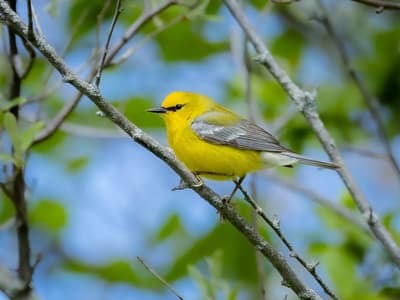
Blue-winged WarblerVermivora cyanoptera 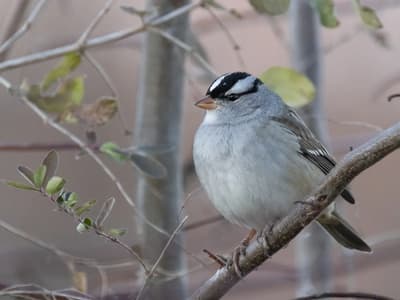
White-crowned SparrowZonotrichia leucophrys 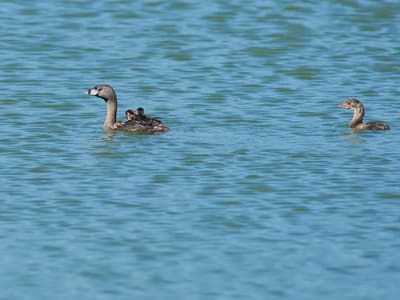
Pied-billed GrebePodilymbus podiceps 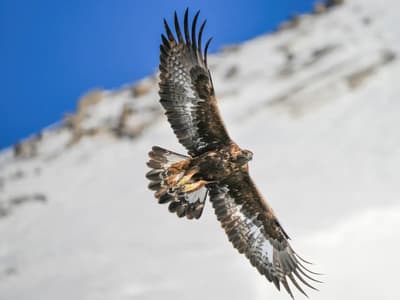
Golden EagleAquila chrysaetos 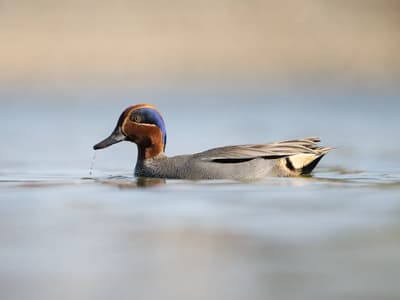
Green-winged TealAnas crecca 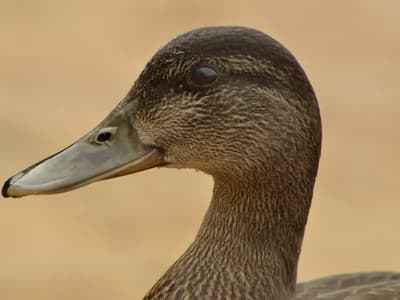
American Black DuckAnas rubripes 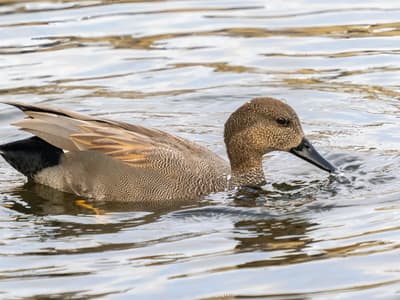
GadwallMareca strepera 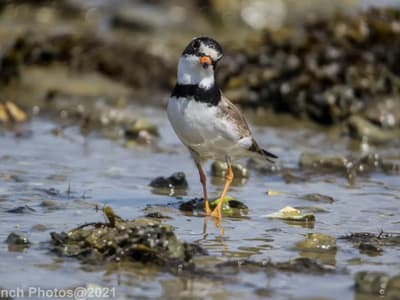
Semipalmated PloverCharadrius semipalmatus 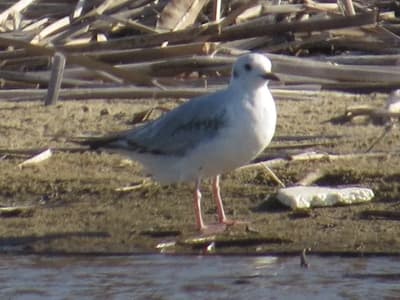
Bonaparte's GullChroicocephalus philadelphia 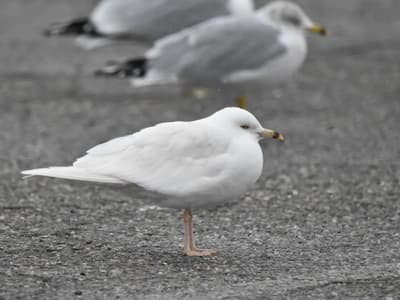
Ring-billed GullLarus delawarensis 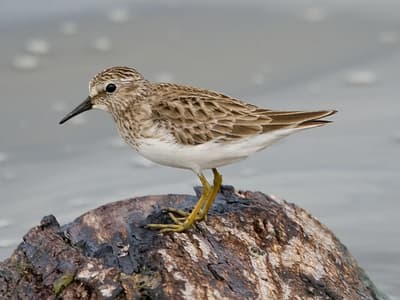
Least SandpiperCalidris minutilla 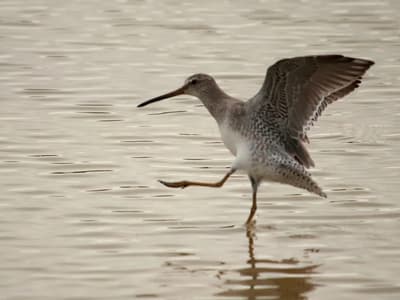
Short-billed DowitcherLimnodromus griseus 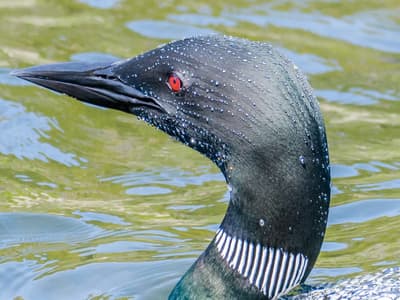
Common LoonGavia immer 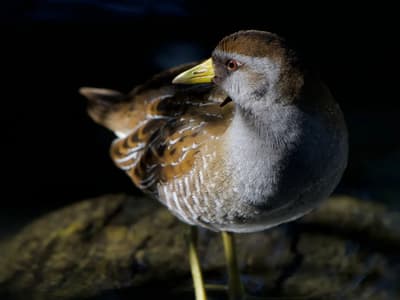
SoraPorzana carolina 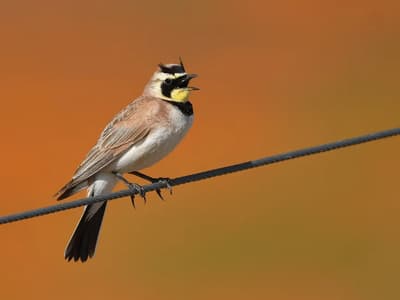
Horned LarkEremophila alpestris 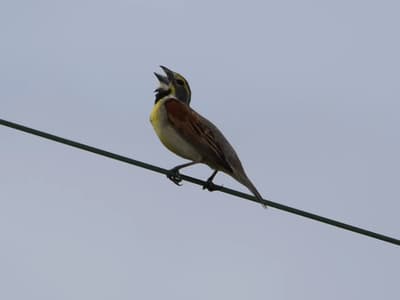
DickcisselSpiza americana 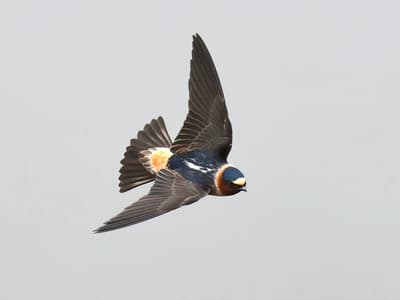
Cliff SwallowPetrochelidon pyrrhonota 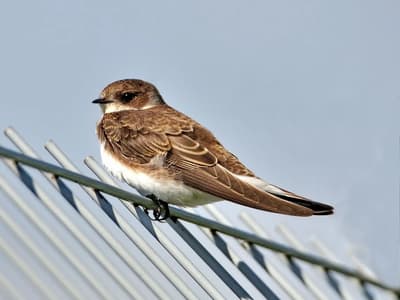
Bank SwallowRiparia riparia 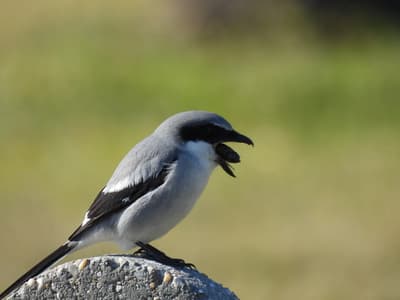
Loggerhead ShrikeLanius ludovicianus 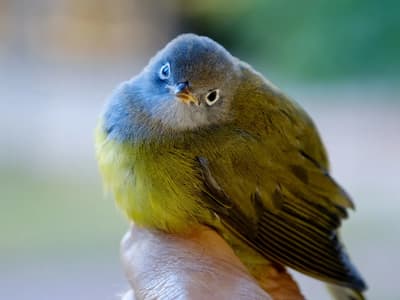
Connecticut WarblerOporornis agilis 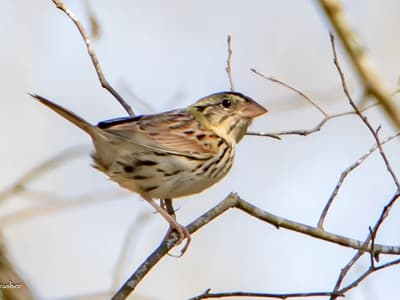
Henslow's SparrowCentronyx henslowii 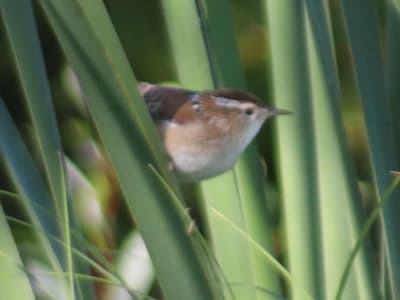
Marsh WrenCistothorus palustris 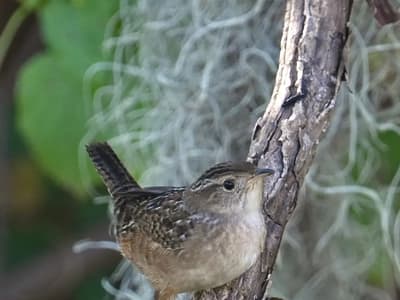
Sedge WrenCistothorus platensis 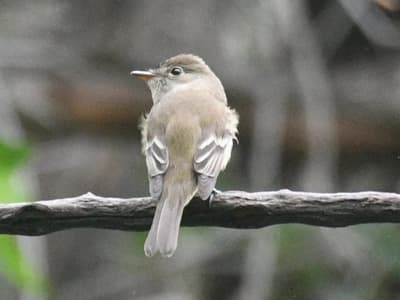
Alder FlycatcherEmpidonax alnorum 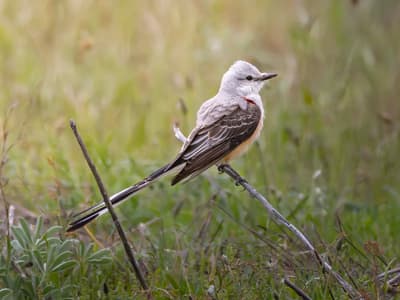
Scissor-tailed FlycatcherTyrannus forficatus 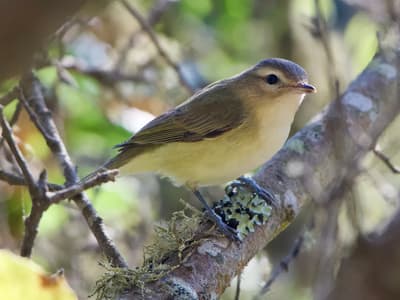
Warbling VireoVireo gilvus 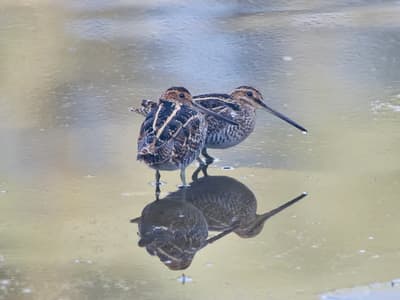
Wilson's SnipeGallinago delicata 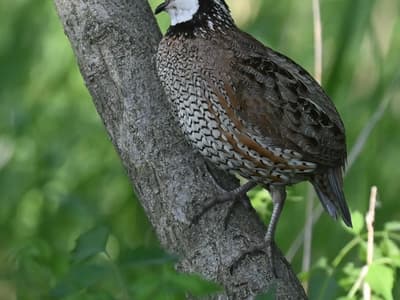
Northern BobwhiteColinus virginianus 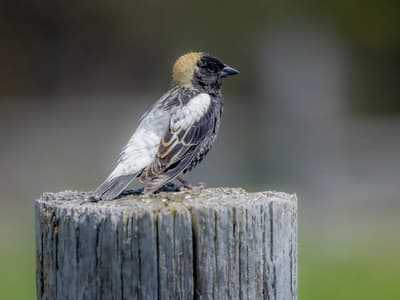
BobolinkDolichonyx oryzivorus 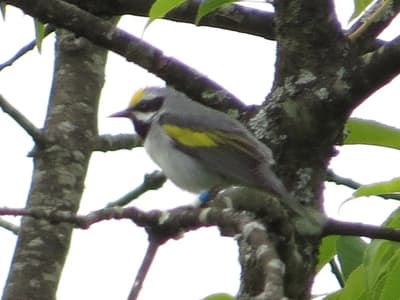
Golden-winged WarblerVermivora chrysoptera 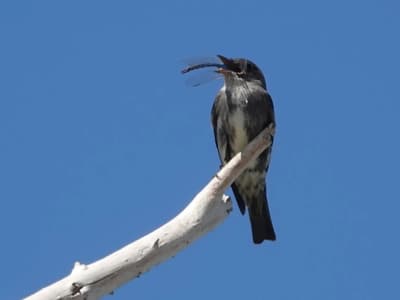
Olive-sided FlycatcherContopus cooperi 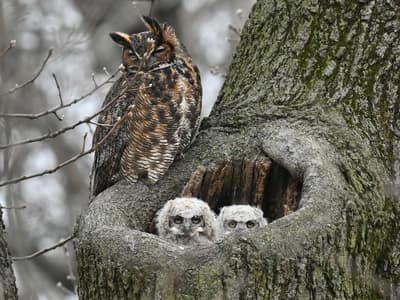
Great Horned OwlBubo virginianus 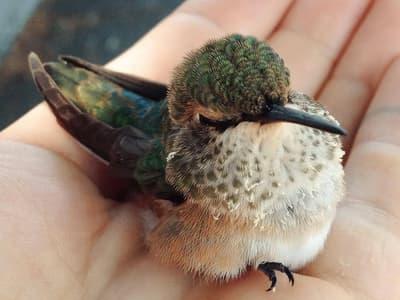
Rufous HummingbirdSelasphorus rufus 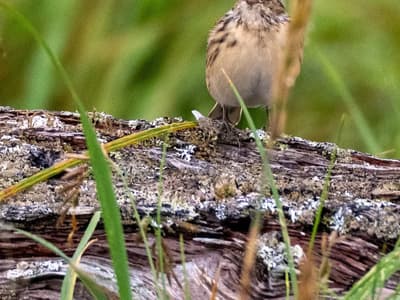
Lapland LongspurCalcarius lapponicus 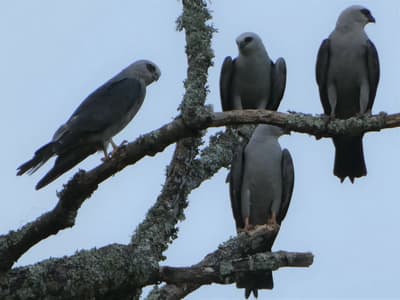
Mississippi KiteIctinia mississippiensis 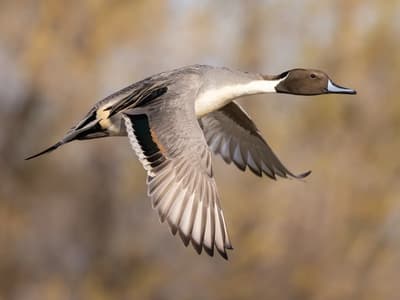
Northern PintailAnas acuta 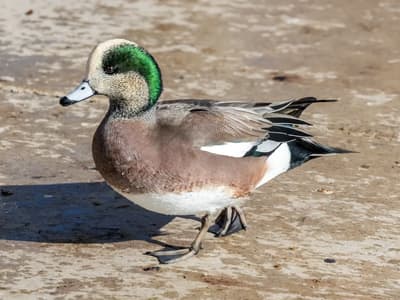
American WigeonMareca americana 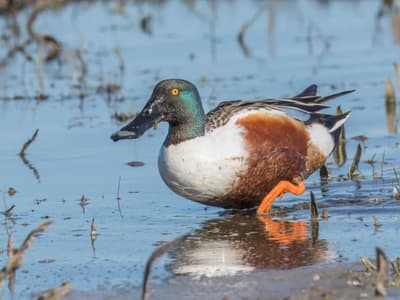
Northern ShovelerSpatula clypeata 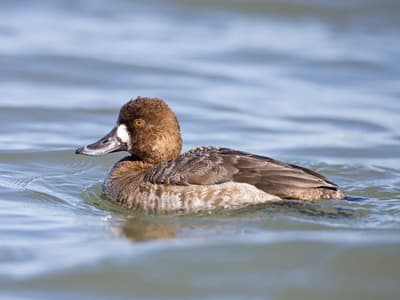
Lesser ScaupAythya affinis 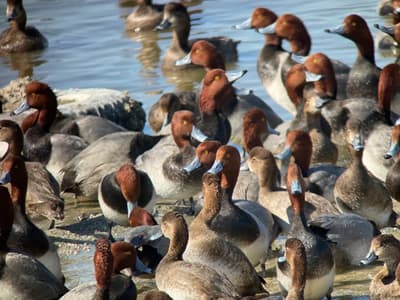
RedheadAythya americana 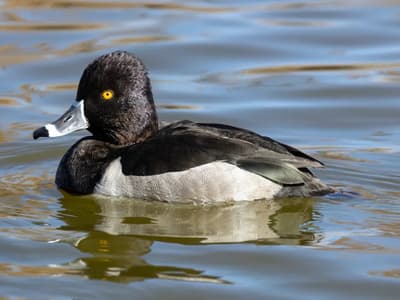
Ring-necked DuckAythya collaris 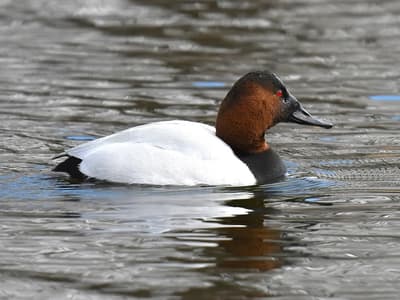
CanvasbackAythya valisineria 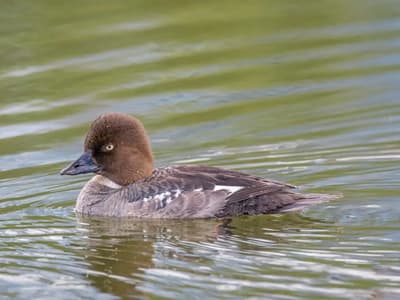
Common GoldeneyeBucephala clangula 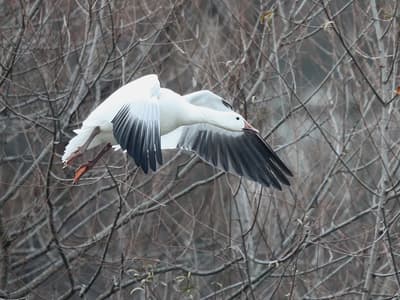
Snow GooseAnser caerulescens 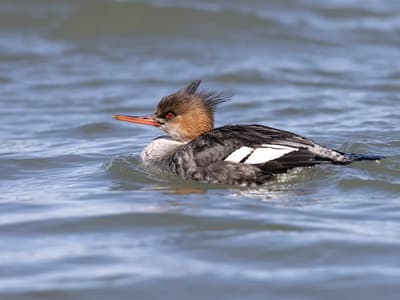
Red-breasted MerganserMergus serrator 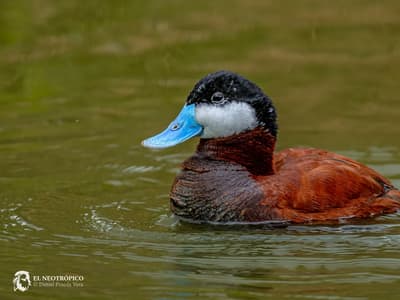
Ruddy DuckOxyura jamaicensis 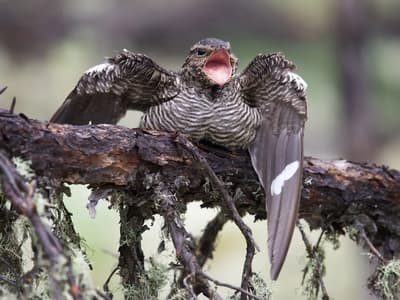
Common NighthawkChordeiles minor 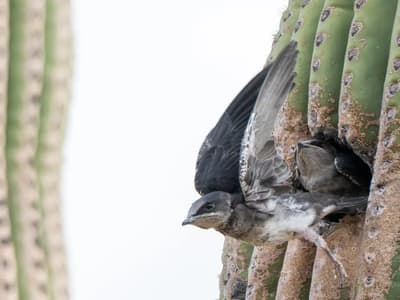
Purple MartinProgne subis 
Grasshopper SparrowAmmodramus savannarum 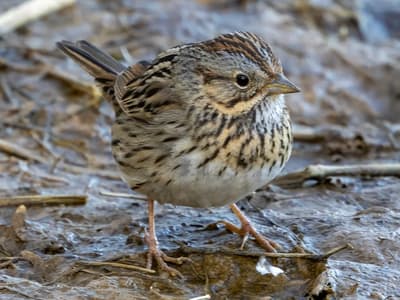
Lincoln's SparrowMelospiza lincolnii 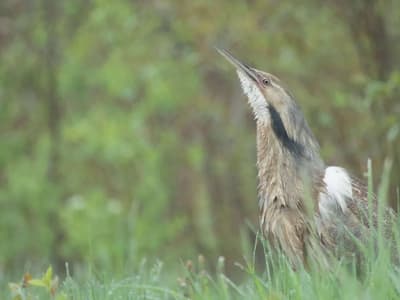
American BitternBotaurus lentiginosus 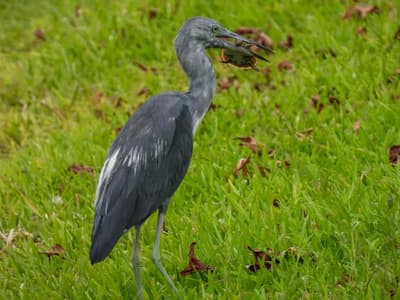
Little Blue HeronEgretta caerulea
Reptiles 30
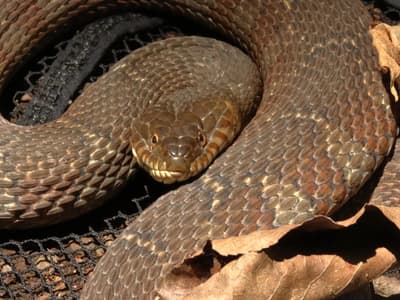
Common WatersnakeNerodia sipedon 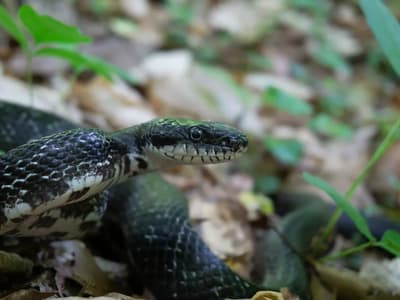
Eastern Rat SnakePantherophis alleghaniensis 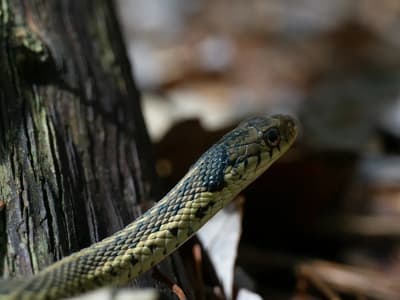
Common Garter SnakeThamnophis sirtalis 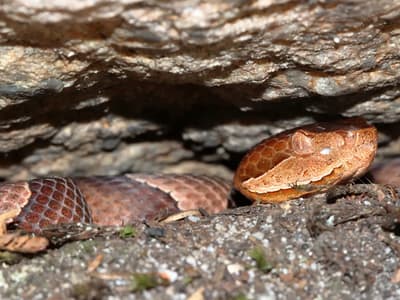
Eastern CopperheadVenomousAgkistrodon contortrix 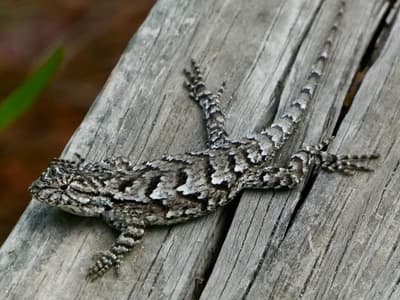
Eastern Fence LizardSceloporus undulatus 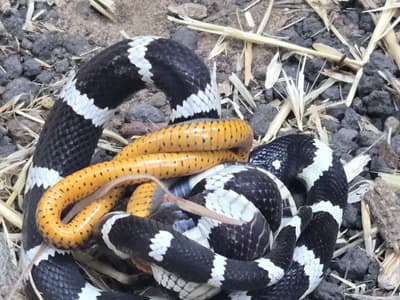
Ring-necked SnakeDiadophis punctatus 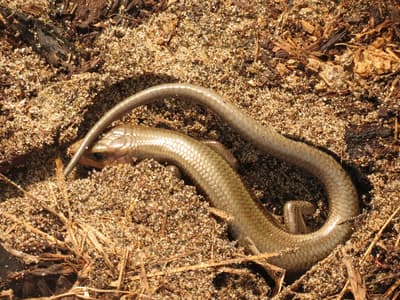
Common Five-lined SkinkPlestiodon fasciatus 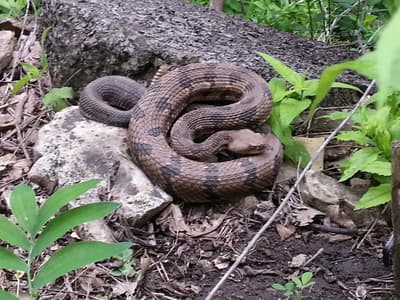
Timber RattlesnakeVenomousCrotalus horridus 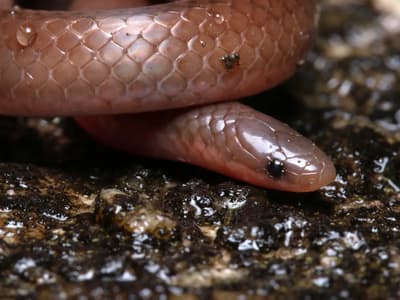
Common WormsnakeCarphophis amoenus 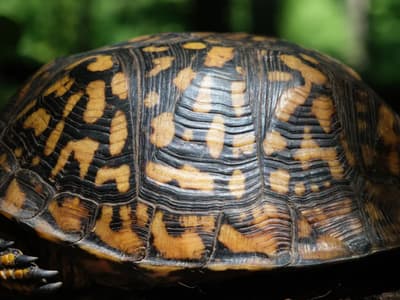
Eastern Box TurtleTerrapene carolina 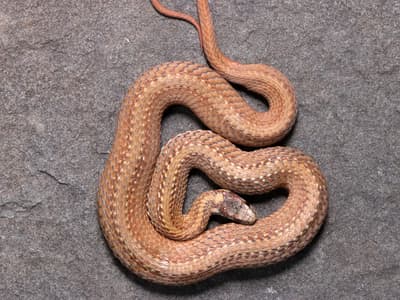
Red-bellied SnakeStoreria occipitomaculata 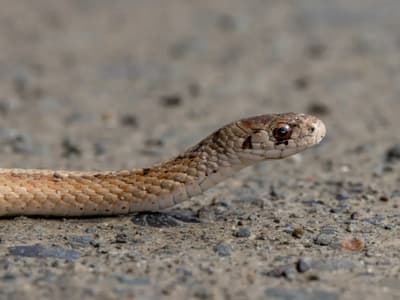
DeKay's BrownsnakeStoreria dekayi 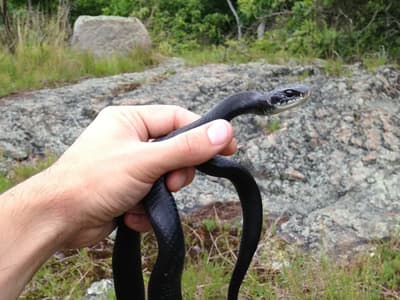
North American RacerColuber constrictor 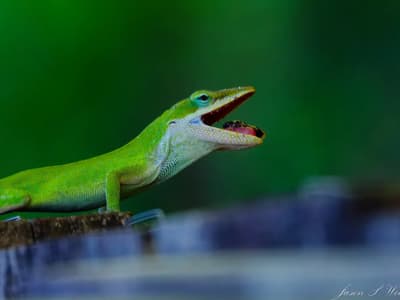
Green AnoleAnolis carolinensis 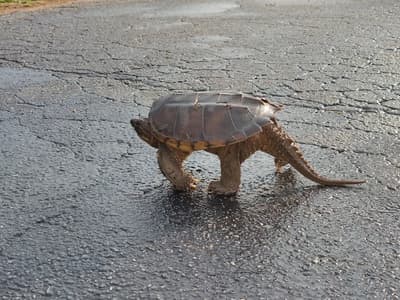
Common Snapping TurtleChelydra serpentina 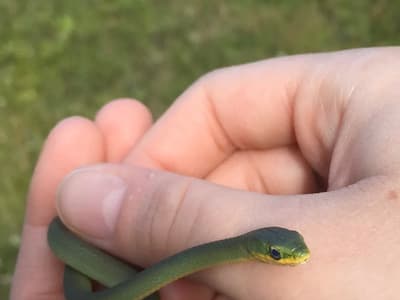
Rough GreensnakeOpheodrys aestivus 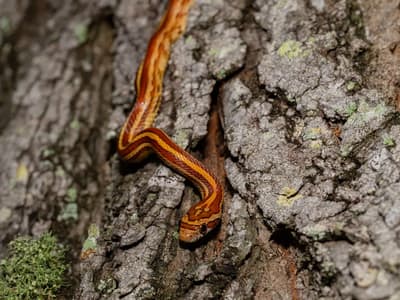
Corn SnakePantherophis guttatus 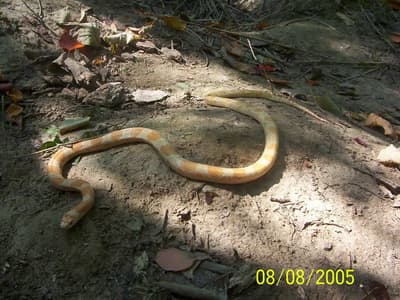
Milk SnakeLampropeltis triangulum 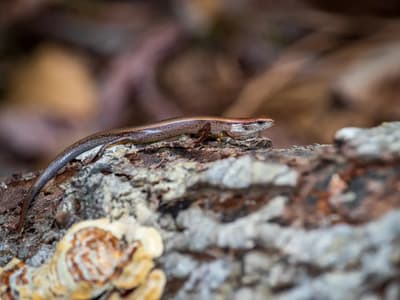
Little Brown SkinkScincella lateralis 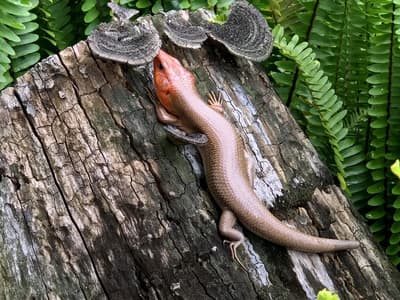
Broad-headed SkinkPlestiodon laticeps 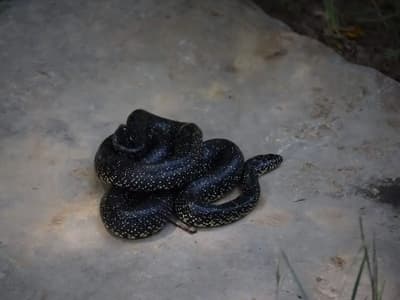
Black KingsnakeLampropeltis nigra 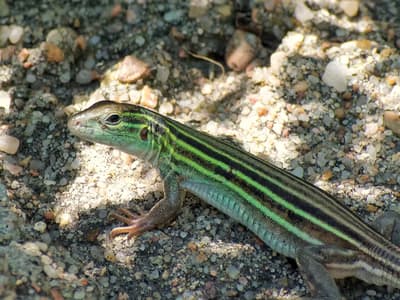
Six-lined RacerunnerAspidoscelis sexlineatus 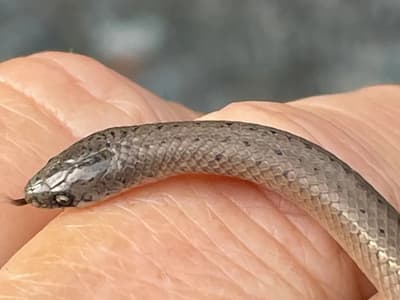
Smooth EarthsnakeHaldea valeriae 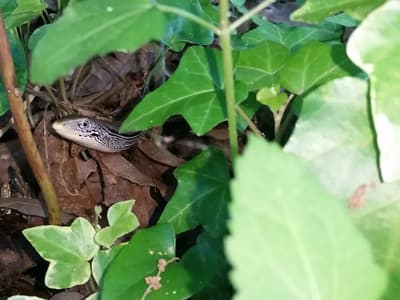
Eastern Slender Glass LizardOphisaurus attenuatus 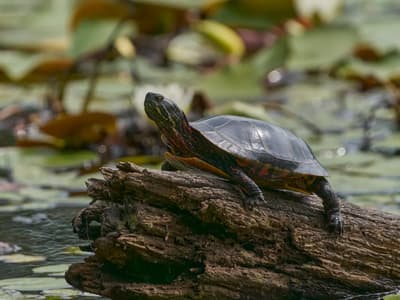
Painted TurtleChrysemys picta 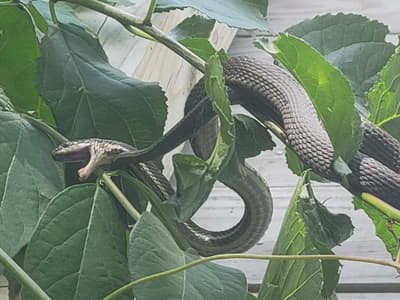
Queen SnakeRegina septemvittata 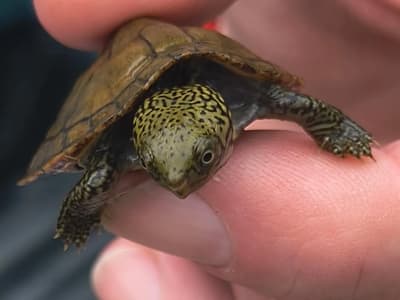
Stripe-necked Musk TurtleSternotherus peltifer 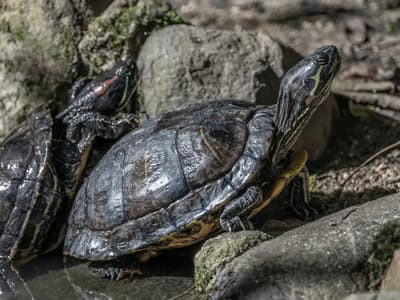
Pond SliderTrachemys scripta 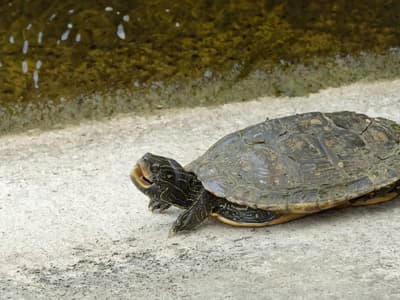
Northern Map TurtleGraptemys geographica 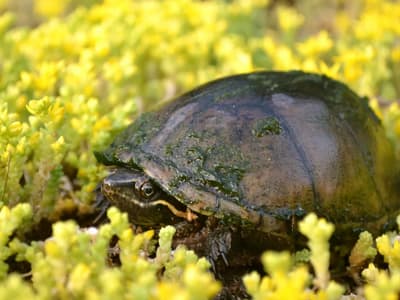
Eastern Musk TurtleSternotherus odoratus
Amphibians 40
American ToadAnaxyrus americanus Cherokee Blackbelly SalamanderDesmognathus gvnigeusgwotli Blue Ridge Two-lined SalamanderEurycea wilderae Red-cheeked SalamanderPlethodon jordani 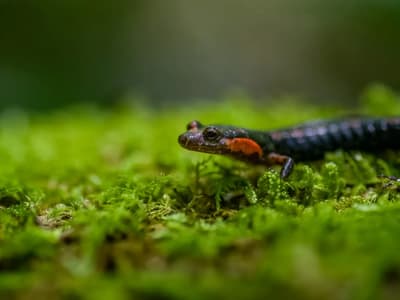
Imitator SalamanderDesmognathus imitator 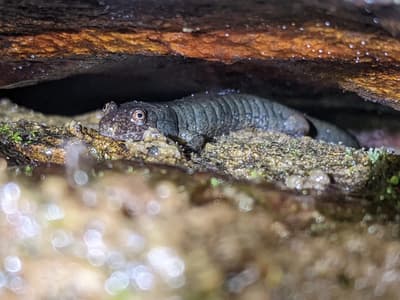
Seal SalamanderDesmognathus monticola 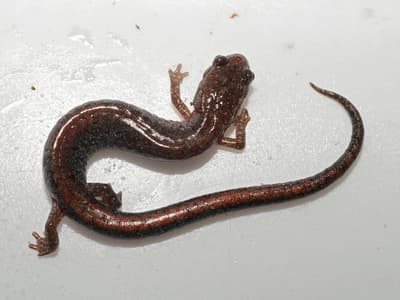
Southern Red-backed SalamanderPlethodon serratus 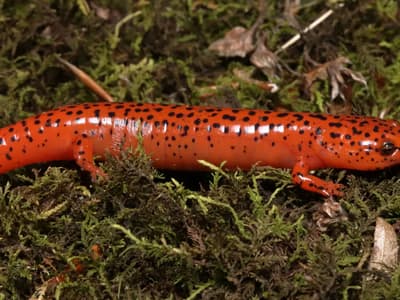
Red SalamanderPseudotriton ruber 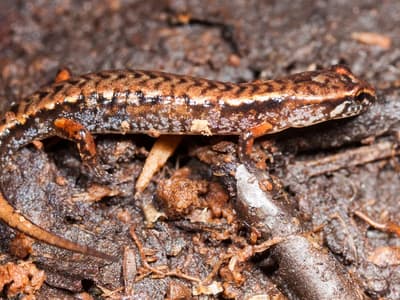
Pygmy SalamanderDesmognathus wrighti 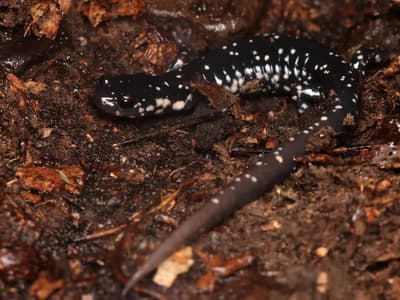
Northern Slimy SalamanderPlethodon glutinosus 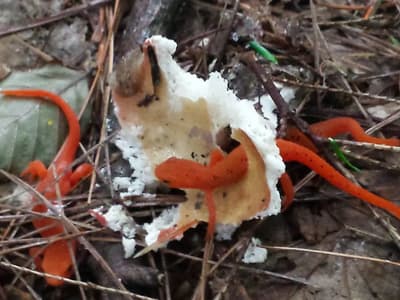
Eastern NewtNotophthalmus viridescens 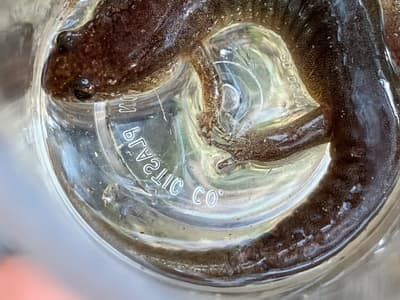
Santeetlah Dusky SalamanderDesmognathus santeetlah 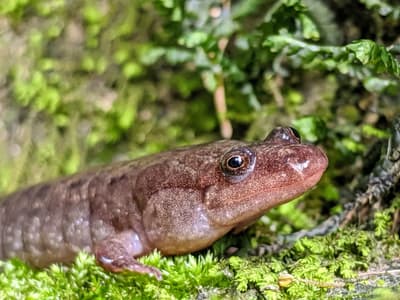
Spotted Dusky SalamanderDesmognathus conanti 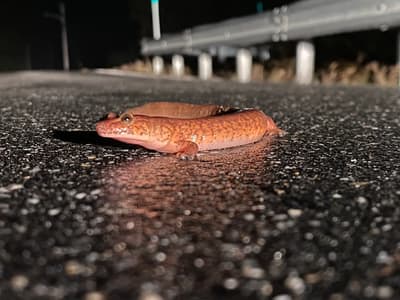
Spring SalamanderGyrinophilus porphyriticus 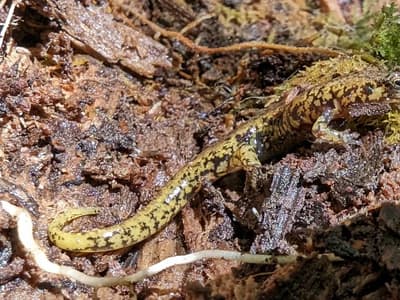
Cherokee Mountain Dusky SalamanderDesmognathus adatsihi 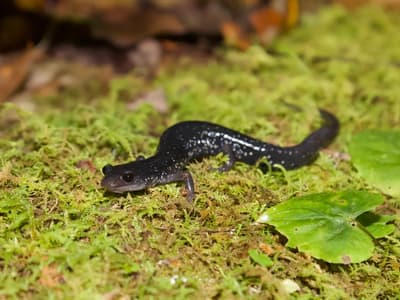
Southern Appalachian SalamanderPlethodon teyahalee 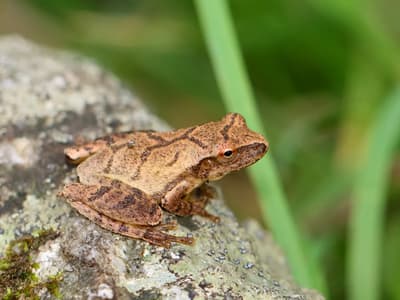
Spring PeeperPseudacris crucifer 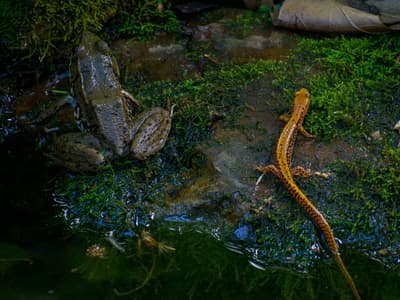
Long-tailed SalamanderEurycea longicauda 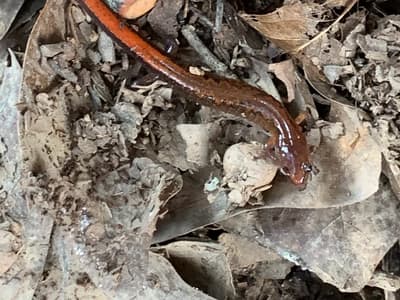
Southern Zigzag SalamanderPlethodon ventralis 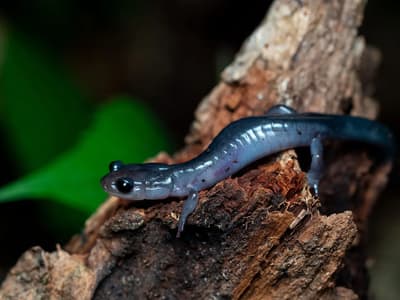
Southern Gray-cheeked SalamanderPlethodon metcalfi 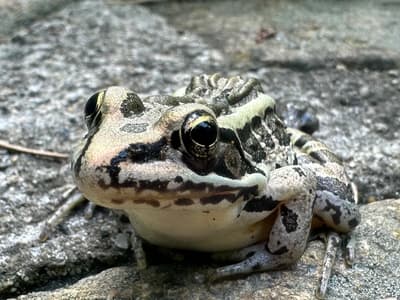
Pickerel FrogLithobates palustris 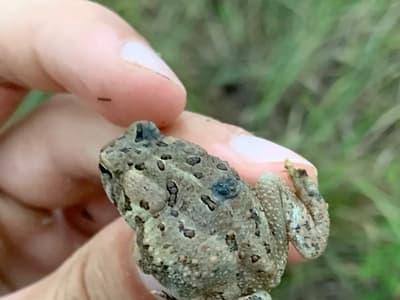
Fowler's ToadAnaxyrus fowleri 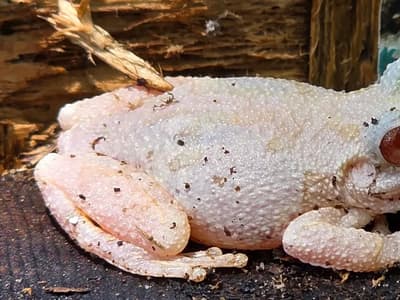
Cope's Gray Tree FrogDryophytes chrysoscelis 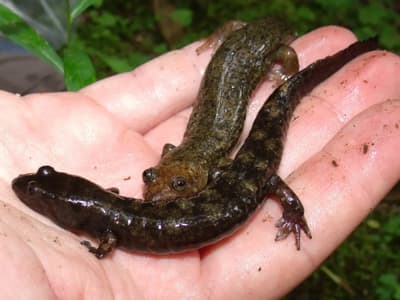
Central Shovel-nosed Dusky SalamanderDesmognathus intermedius 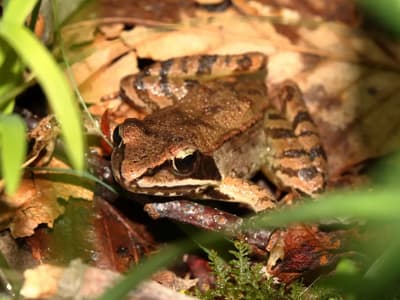
Wood FrogLithobates sylvaticus 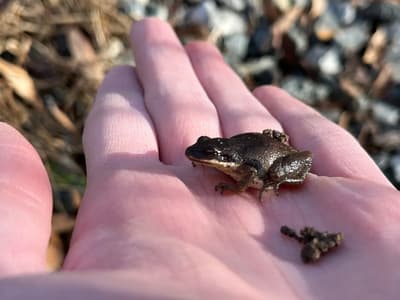
Upland Chorus FrogPseudacris feriarum 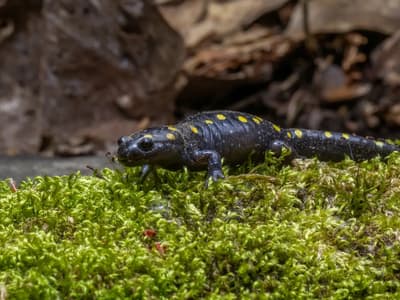
Spotted SalamanderAmbystoma maculatum 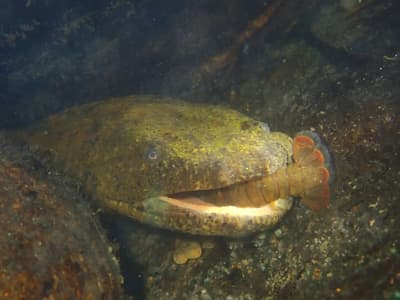
Eastern HellbenderCryptobranchus alleganiensis 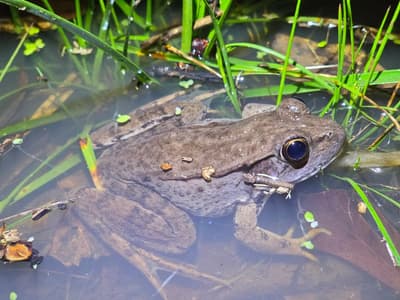
North American Green FrogLithobates clamitans 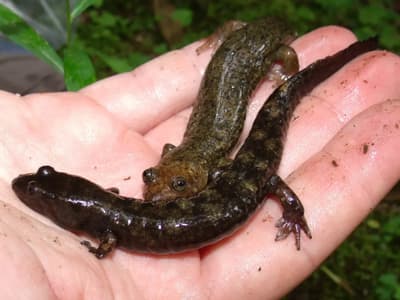
Blue Ridge Blackbelly SalamanderDesmognathus mavrokoilius 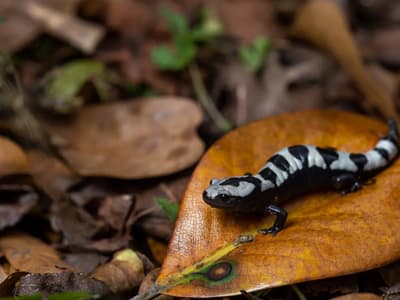
Marbled SalamanderAmbystoma opacum 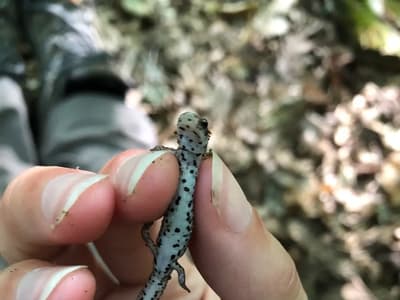
Four-toed SalamanderHemidactylium scutatum 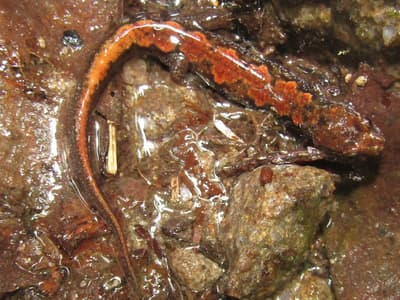
Max Patch Dusky SalamanderDesmognathus tilleyi 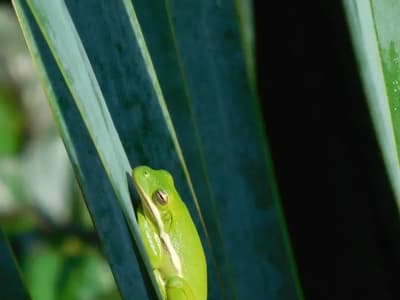
American Green TreefrogDryophytes cinereus 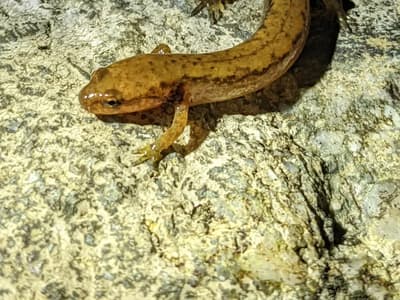
Junaluska SalamanderEurycea junaluska 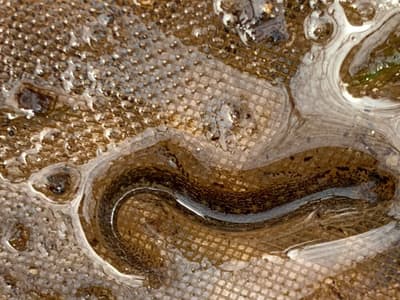
Southern Two-lined SalamanderEurycea cirrigera 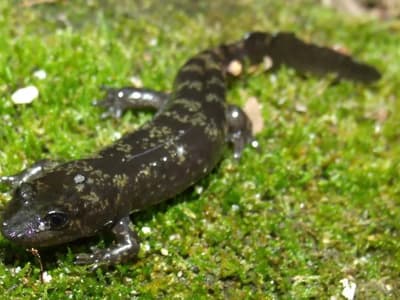
Southern Shovel-nosed Dusky SalamanderDesmognathus aureatus 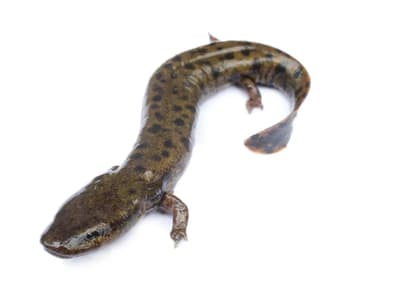
Common MudpuppyNecturus maculosus 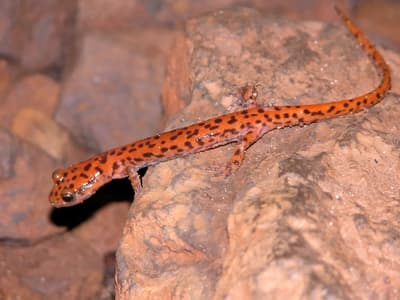
Cave SalamanderEurycea lucifuga 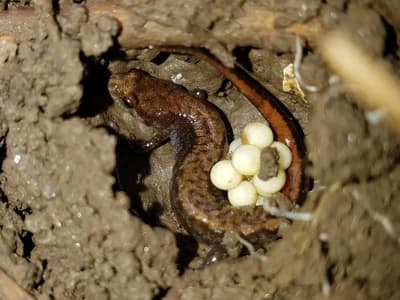
Seepage SalamanderDesmognathus aeneus
Fish 40
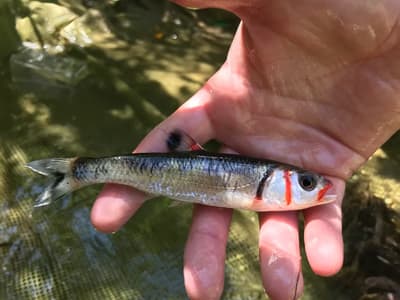
Warpaint ShinerCoccotis coccogenis 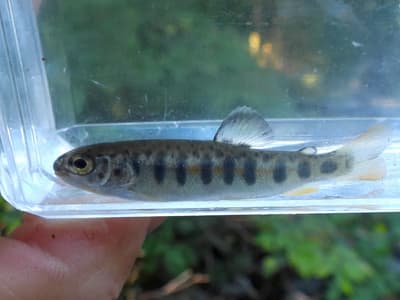
Rainbow TroutOncorhynchus mykiss 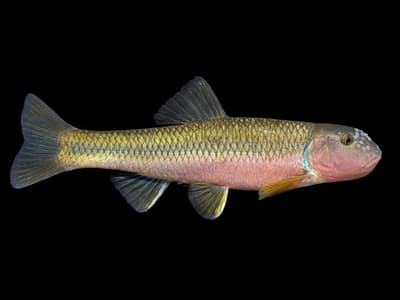
River ChubNocomis micropogon 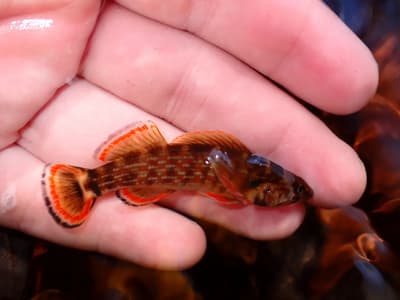
Redline DarterEtheostoma rufilineatum 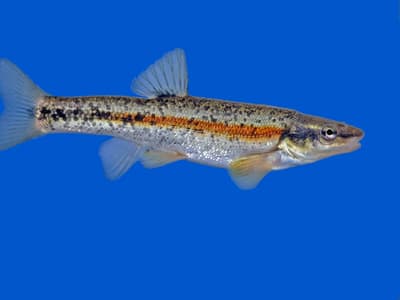
Western Blacknose DaceRhinichthys obtusus 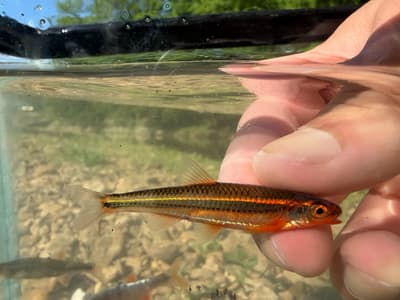
Tennessee ShinerParanotropis leuciodus 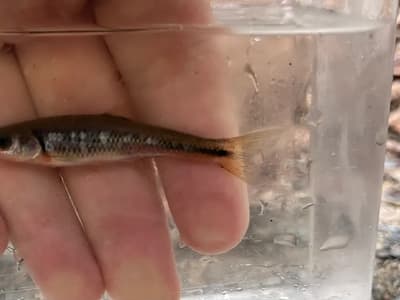
Saffron ShinerHydrophlox rubricroceus 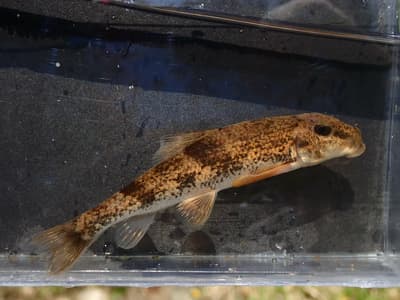
Northern Hog SuckerHypentelium nigricans 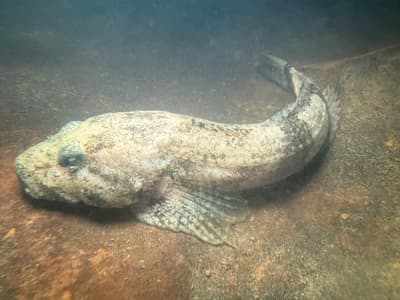
Banded SculpinCottus carolinae 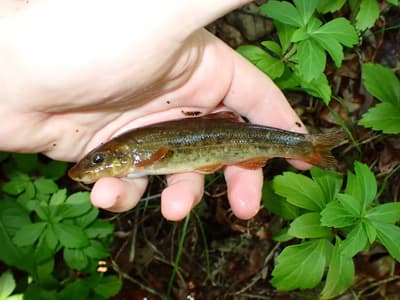
Longnose DaceRhinichthys cataractae 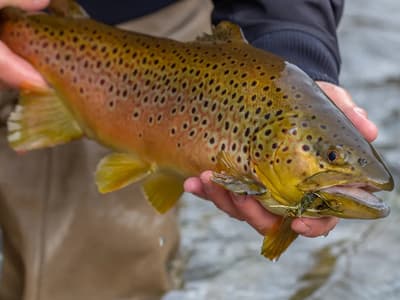
Brown TroutSalmo trutta 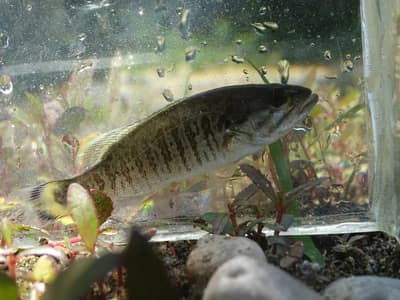
Smallmouth BassMicropterus dolomieu 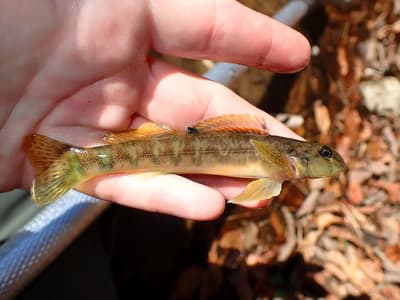
Greenside DarterEtheostoma blennioides 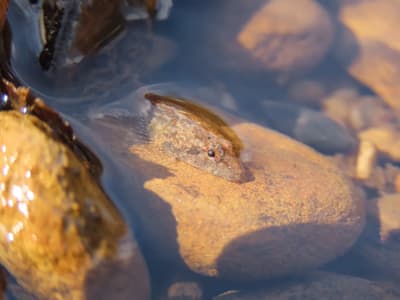
Mottled SculpinCottus bairdii 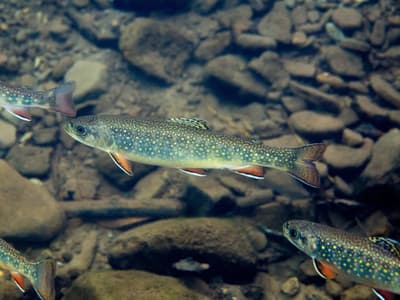
Brook TroutSalvelinus fontinalis 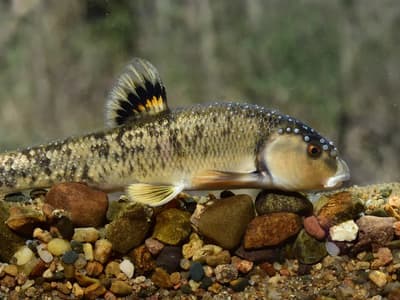
Central StonerollerCampostoma anomalum 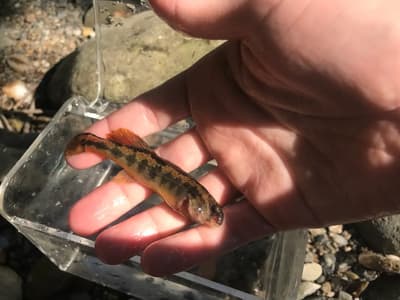
Snubnose DarterEtheostoma simoterum 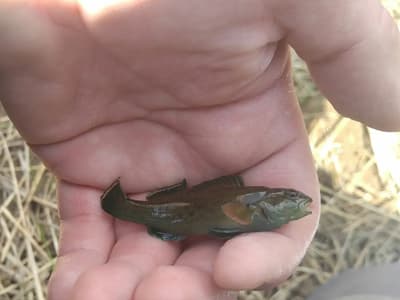
Greenfin DarterEtheostoma chlorobranchium 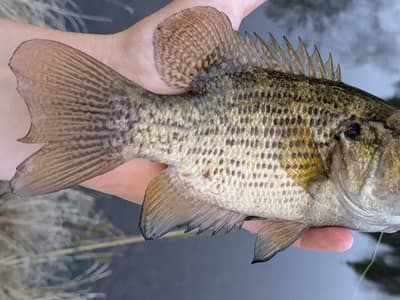
Rock BassAmbloplites rupestris 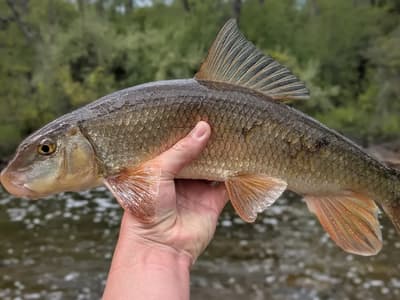
Black RedhorseMoxostoma duquesnei 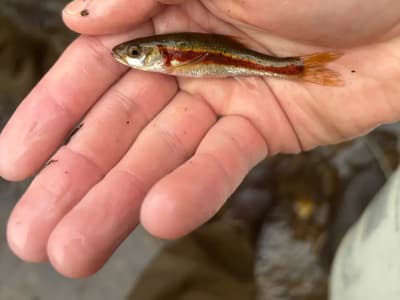
Rosyside DaceClinostomus funduloides 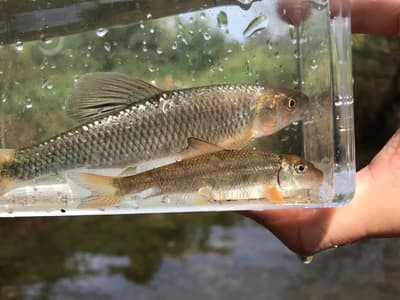
Whitetail ShinerCyprinella galactura 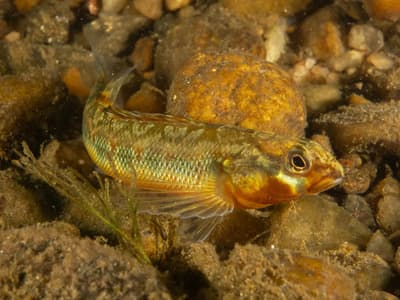
Russet DarterPercina versicolor 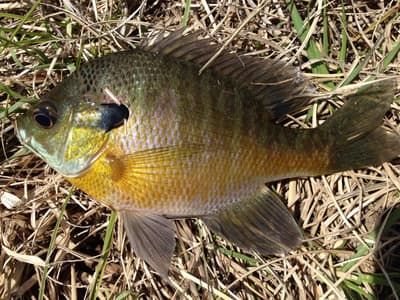
BluegillLepomis macrochirus 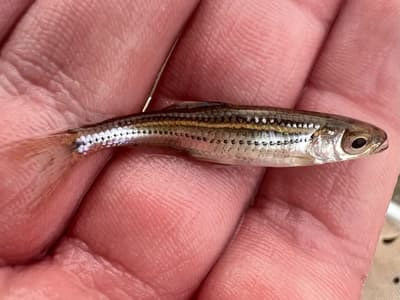
Telescope ShinerNotropis telescopus 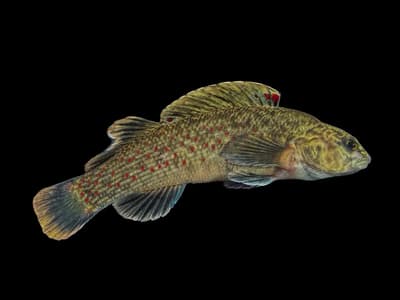
Wounded DarterEtheostoma vulneratum 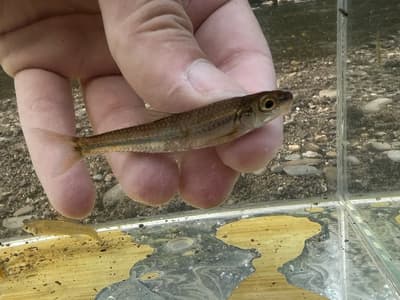
Bigeye ChubHybopsis amblops 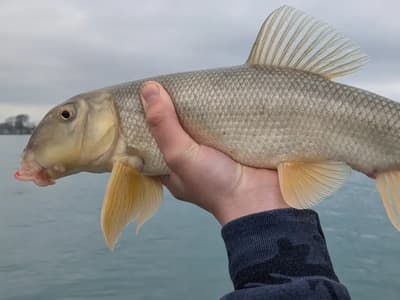
White SuckerCatostomus commersoni 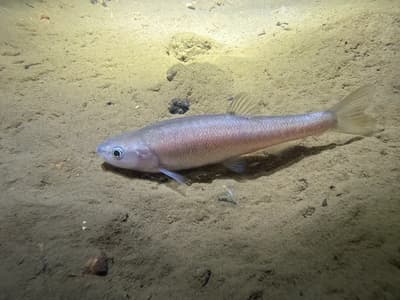
Creek ChubSemotilus atromaculatus 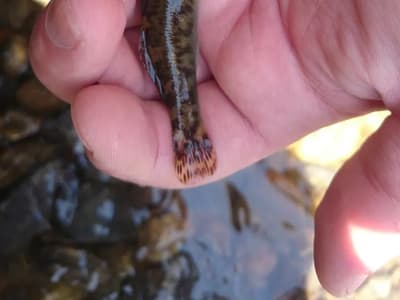
Tuckasegee DarterEtheostoma gutselli 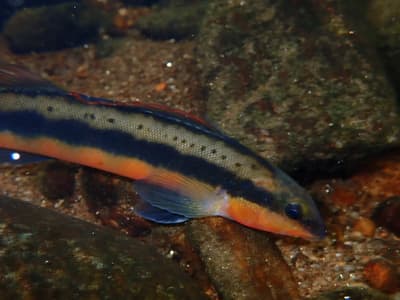
Tangerine DarterPercina aurantiaca 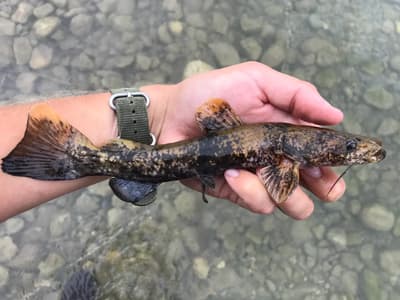
Flathead CatfishPylodictis olivaris 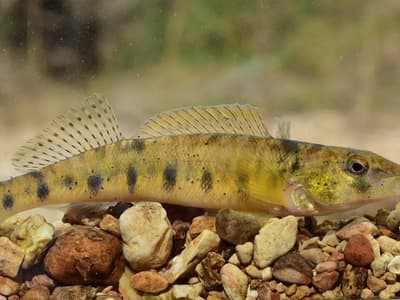
LogperchPercina caprodes 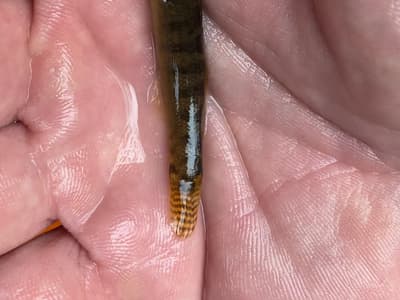
Fantail DarterEtheostoma flabellare 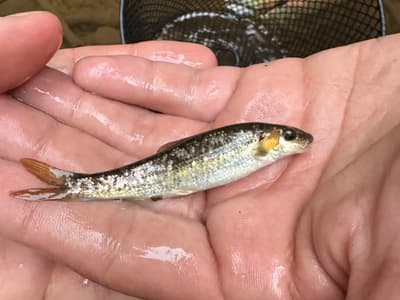
Largescale StonerollerCampostoma oligolepis 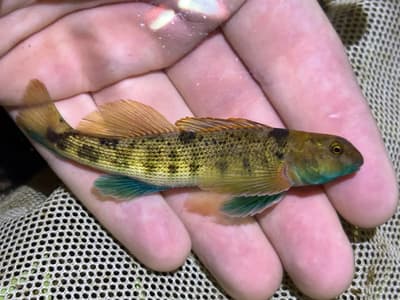
Swannanoa DarterEtheostoma swannanoa 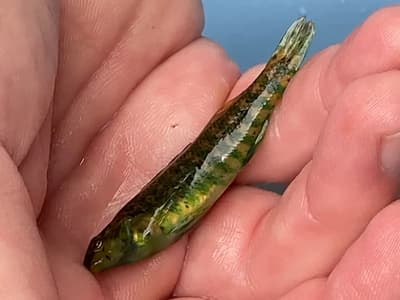
Banded DarterEtheostoma zonale 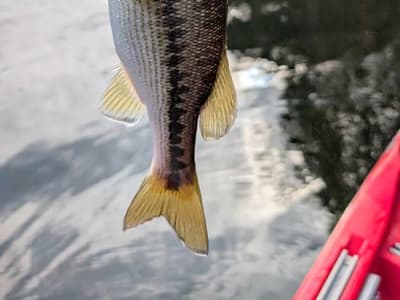
Spotted BassMicropterus punctulatus 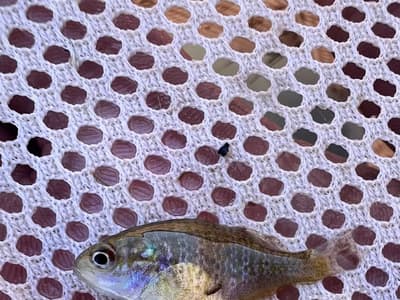
Green SunfishLepomis cyanellus 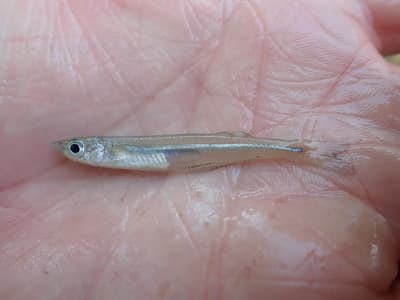
Brook SilversideLabidesthes sicculus
Questions
What animals live in Great Smoky Mountains National Park?
This guide covers 376 animals: 49 mammals, 217 birds, 30 reptiles, 40 amphibians and 40 fish. They include Dark-eyed Junco, American Toad, American Black Bear, White-tailed Deer, Cherokee Blackbelly Salamander and Blue Ridge Two-lined Salamander.
What animals are you most likely to see in Great Smoky Mountains National Park?
The animals most visitors see include Dark-eyed Junco, American Toad, American Black Bear, White-tailed Deer, Cherokee Blackbelly Salamander, Blue Ridge Two-lined Salamander, Black-throated Green Warbler and Red-cheeked Salamander.
Which animals in Great Smoky Mountains National Park look alike?
Pairs that are easy to mix up include beaver vs. river otter, bald eagle vs. golden eagle, juvenile bald eagle vs. golden eagle, bald eagle vs. osprey and red-tailed hawk vs. red-shouldered hawk. Each pair has a free Handy Guide that shows how to tell them apart.
Does the Great Smoky Mountains guide work without a signal?
Yes. Once you save the guide on your device, it opens and searches with no connection at all.
Photo credits
- Dark-eyed Junco: photo by Paul Danese, CC BY-SA 4.0. Source
- American Toad: photo by User:Rstanton13, CC BY-SA 4.0. Source
- American Black Bear: photo by Charles J. Sharp, CC BY-SA 4.0. Source
- White-tailed Deer: photo by Paul Danese, CC BY-SA 4.0. Source
- Cherokee Blackbelly Salamander: photo by Mila C., CC BY. Source
- Blue Ridge Two-lined Salamander: photo by Dominic, CC BY. Source
- Black-throated Green Warbler: photo by Paul Danese, CC BY-SA 4.0. Source
- Red-cheeked Salamander: photo by Turner Brockman, CC BY-SA. Source
- Blue-headed Vireo: photo by Dario Taraborelli, CC0. Source
- American Red Squirrel: photo by Paul Danese, CC BY-SA 4.0. Source
- Imitator Salamander: photo by John Matthew Erickson, CC BY. Source
- Seal Salamander: photo by Alina Martin, CC BY. Source
- American Crow: photo by Paul Danese, CC BY-SA 4.0. Source
- Common Watersnake: photo by Riley Stanton, CC BY-SA 4.0. Source
- Eastern Rat Snake: photo by Jasper Shide, CC0. Source
- Common Garter Snake: photo by Jasper Shide, CC0. Source
- Southern Red-backed Salamander: photo by Joseph Aubert, CC BY. Source
- Red-eyed Vireo: photo by Paul Danese, CC BY-SA 4.0. Source
- Eastern Copperhead: photo by Riley Stanton, CC BY-SA 4.0. Source
- Eastern Fence Lizard: photo by John Matthew Erickson, CC BY. Source
- Ring-necked Snake: photo by Adam Redmer, CC0. Source
- Red Salamander: photo by Rstanton13, CC BY-SA 4.0. Source
- Common Five-lined Skink: photo by Reuven Martin, CC0. Source
- Eastern Gray Squirrel: photo by Julian Herzog (Website), CC BY 4.0. Source
- Pygmy Salamander: photo by Ken-ichi Ueda, CC BY. Source
- Timber Rattlesnake: photo by Ann McKenzie, CC0. Source
- Ovenbird: photo by Chrissy McClarren and Andy Reago, CC0. Source
- Coyote: photo by Akr, CC BY. Source
- Eastern Phoebe: photo by Kathlin Simpkins, CC0. Source
- Wild Turkey: photo by Brooke J., CC BY. Source
- Northern Slimy Salamander: photo by Rstanton13, CC BY-SA 4.0. Source
- Chipping Sparrow: photo by Paul Danese, CC BY-SA 4.0. Source
- Indigo Bunting: photo by Matt Felperin, CC BY. Source
- American Robin: photo by Charles J. Sharp, CC BY-SA 4.0. Source
- Warpaint Shiner: photo by Tayton Alvis, CC BY. Source
- Rainbow Trout: photo by Tom Field, CC BY. Source
- Common Wormsnake: photo by Rstanton13, CC BY-SA 4.0. Source
- Eastern Newt: photo by Tom Norton, CC BY. Source
- Santeetlah Dusky Salamander: photo by River Ahlquist, CC BY. Source
- Black-throated Blue Warbler: photo by Sam Kieschnick, CC BY. Source
- Hooded Warbler: photo by Adam Jackson, CC0. Source
- Carolina Wren: photo by Donald Davesne, CC BY. Source
- River Chub: photo by Steven Wang, CC BY. Source
- Tufted Titmouse: photo by Paul Danese, CC BY-SA 4.0. Source
- Eastern Chipmunk: photo by Cephas, CC BY-SA 4.0. Source
- Barn Swallow: photo by Mildeep, CC BY-SA 4.0. Source
- Song Sparrow: photo by Paul Danese, CC BY-SA 4.0. Source
- Spotted Dusky Salamander: photo by Ray Fisher, CC BY. Source
- Louisiana Waterthrush: photo by Matt Felperin, CC BY. Source
- Eastern Box Turtle: photo by Jasper Shide, CC0. Source
- Carolina Chickadee: photo by Derek Spencer, CC BY. Source
- Redline Darter: photo by Zakqary Roy, CC BY. Source
- Black-and-white Warbler: photo by Chrissy McClarren and Andy Reago, CC0. Source
- Golden-crowned Kinglet: photo by PookieFugglestein, CC0. Source
- White-breasted Nuthatch: photo by Paul Danese, CC BY-SA 4.0. Source
- American Goldfinch: photo by Cephas, CC BY-SA 4.0. Source
- Red-bellied Snake: photo by Riley Stanton, CC BY-SA 4.0. Source
- Red-breasted Nuthatch: photo by Claude Lyneis, CC0. Source
- Western Blacknose Dace: photo by Scott Shupe, CC0. Source
- Spring Salamander: photo by Gregory LeClair, CC BY. Source
- Elk: photo by Charles J. Sharp, CC BY-SA 4.0. Source
- Eastern Towhee: photo by David Bird, CC0. Source
- Tennessee Shiner: photo by Steven Wang, CC BY. Source
- Cherokee Mountain Dusky Salamander: photo by Alina Martin, CC BY. Source
- DeKay's Brownsnake: photo by Rstanton13, CC BY-SA 4.0. Source
- Northern Parula: photo by Joao Quental, CC BY. Source
- North American Racer: photo by Ken-ichi Ueda, CC BY. Source
- Black-capped Chickadee: photo by Paul Danese, CC BY-SA 4.0. Source
- Southern Appalachian Salamander: photo by evangrimes, CC BY. Source
- Saffron Shiner: photo by Zakqary Roy, CC BY. Source
- Wild Boar: photo by Anne Parsons, CC0. Source
- Green Anole: photo by Daughter Dad, CC BY. Source
- Worm-eating Warbler: photo by Carrie Seltzer, CC BY. Source
- Wood Thrush: photo by Chrissy McClarren and Andy Reago, CC0. Source
- Scarlet Tanager: photo by Shirley Zundell, CC BY. Source
- Spring Peeper: photo by Christine Young, CC BY. Source
- Blackburnian Warbler: photo by Matt Felperin, CC BY. Source
- Chestnut-sided Warbler: photo by Chrissy McClarren and Andy Reago, CC0. Source
- Field Sparrow: photo by walkingfern, CC0. Source
- Northern Hog Sucker: photo by Zakqary Roy, CC BY. Source
- Broad-Winged Hawk: photo by Esteban Poveda, CC BY. Source
- Veery: photo by Blake Ross, CC BY. Source
- Eastern Cottontail: photo by Acroterion, CC BY-SA 4.0. Source
- Blue Jay: photo by Paul Danese, CC BY-SA 4.0. Source
- Downy Woodpecker: photo by Paul Danese, CC BY-SA 4.0. Source
- Banded Sculpin: photo by Nick Tobler (Cowturtle), CC BY. Source
- Ruby-throated Hummingbird: photo by Blake Ross, CC BY. Source
- Northern Cardinal: photo by Paul Danese, CC BY-SA 4.0. Source
- Longnose Dace: photo by Zakqary Roy, CC BY. Source
- Brown Trout: photo by kirk gardner, CC BY. Source
- Rose-breasted Grosbeak: photo by Adam Jackson, CC0. Source
- Canada Warbler: photo by Matt Felperin, CC BY. Source
- Eastern Wood-Pewee: photo by Chris O'Donoghue, CC BY. Source
- Smallmouth Bass: photo by Reuven Martin, CC0. Source
- Turkey Vulture: photo by Seig, CC BY. Source
- Acadian Flycatcher: photo by Ken Clark, CC BY. Source
- Bobcat: photo by 0x010C, CC BY-SA 4.0. Source
- Hairy-tailed Mole: photo by Michael K. Oliver, Ph.D., CC BY. Source
- Brown Creeper: photo by Daughter Dad, CC BY. Source
- Pileated Woodpecker: photo by Cephas, CC BY-SA 4.0. Source
- Raccoon: photo by Michael D Fox, CC BY. Source
- Pine Siskin: photo by Adam Jackson, CC0. Source
- Common Snapping Turtle: photo by Siddarth Machado, CC BY. Source
- Greenside Darter: photo by Zakqary Roy, CC BY. Source
- Mottled Sculpin: photo by Alina Martin, CC BY. Source
- Northern Short-tailed Shrew: photo by Claire Moxon-Waltz, CC BY. Source
- Hairy Woodpecker: photo by Cephas, CC BY-SA 4.0. Source
- Long-tailed Salamander: photo by Whitney Mattila, CC BY. Source
- Rough Greensnake: photo by brendanboyd, CC BY. Source
- Blue-gray Gnatcatcher: photo by Dan Vickers, CC BY. Source
- Brook Trout: photo by United States Fish and Wildlife Services, Public domain. Source
- Yellow-rumped Warbler: photo by Paul Danese, CC BY-SA 4.0. Source
- Barred Owl: photo by Guywelch2000, CC BY 4.0. Source
- Eastern Bluebird: photo by Paul Danese, CC BY-SA 4.0. Source
- Central Stoneroller: photo by Dean Hester, CC BY. Source
- Great Blue Heron: photo by Rhododendrites, CC BY-SA 4.0. Source
- Southern Red-backed Vole: photo by Claire Moxon-Waltz, CC BY. Source
- Yellow-throated Vireo: photo by Chrissy McClarren and Andy Reago, CC0. Source
- Corn Snake: photo by Jeremiah Degenhardt, CC BY. Source
- Snubnose Darter: photo by Tayton Alvis, CC BY. Source
- Southern Zigzag Salamander: photo by gr0mmy, CC BY. Source
- Eastern Red Bat: photo by Summit Metro Parks, CC BY. Source
- Greenfin Darter: photo by kirk gardner, CC BY. Source
- North American River Otter: photo by Chuck Homler d/b/a Focus On Wildlife, CC BY-SA 4.0. Source
- Cedar Waxwing: photo by Paul Danese, CC BY-SA 4.0. Source
- Red-shouldered Hawk: photo by Paul Danese, CC BY-SA 4.0. Source
- White-throated Sparrow: photo by Paul Danese, CC BY-SA 4.0. Source
- Milk Snake: photo by Matt Berger, CC BY. Source
- Yellow-bellied Sapsucker: photo by Martin Tremblay, CC BY. Source
- Canada Goose: photo by Dietmar Rabich, CC BY-SA 4.0. Source
- Gray Fox: photo by Adam Jackson, CC0. Source
- Virginia Opossum: photo by Cody Pope, CC BY-SA 2.5. Source
- Mourning Dove: photo by Paul Danese, CC BY-SA 4.0. Source
- Magnolia Warbler: photo by Carlos Domínguez-Rodríguez, CC BY. Source
- Little Brown Skink: photo by Joshua Liverman, CC BY. Source
- Southern Gray-cheeked Salamander: photo by Zachary Dankowicz, CC BY. Source
- Red Crossbill: photo by Jason Alexander, CC BY. Source
- Pickerel Frog: photo by Sinéad Tuttle-Lerner, CC BY. Source
- Groundhog: photo by Cephas, CC BY-SA 4.0. Source
- Ruffed Grouse: photo by Rhododendrites, CC BY-SA 4.0. Source
- Eastern Meadowlark: photo by Chrissy McClarren and Andy Reago, CC0. Source
- White-footed Mouse: photo by decaturjosh, CC0. Source
- Red-winged Blackbird: photo by Paul Danese, CC BY-SA 4.0. Source
- Fowler's Toad: photo by Nick Tobler (Cowturtle), CC BY. Source
- Cope's Gray Tree Frog: photo by Melanie Gaddy, CC0. Source
- Eastern Kingbird: photo by Charles J. Sharp, CC BY-SA 4.0. Source
- Yellow-throated Warbler: photo by Juan Cruzado Cortés, CC BY-SA. Source
- Central Shovel-nosed Dusky Salamander: photo by John G. Phillips, CC BY. Source
- Striped Skunk: photo by Douglas Goldman, CC BY-SA. Source
- Smoky Shrew: photo by Michael K. Oliver, Ph.D., CC BY. Source
- Chimney Swift: photo by Chrissy McClarren and Andy Reago, CC0. Source
- Broad-headed Skink: photo by chloe ⋆˚꩜。, CC BY-SA. Source
- Rock Bass: photo by Quinn, CC BY. Source
- Common Raven: photo by Frank Schulenburg, CC BY-SA 4.0. Source
- Hermit Thrush: photo by Paul Danese, CC BY-SA 4.0. Source
- Red-bellied Woodpecker: photo by Troy B, CC BY. Source
- Wood Frog: photo by Riley Stanton, CC BY-SA 4.0. Source
- Masked Shrew: photo by Owen McElroy, CC0. Source
- Muskrat: photo by Robert McLeod, CC0. Source
- Black Redhorse: photo by Quinn, CC BY. Source
- Gray Catbird: photo by Kristy Morley, CC BY. Source
- Upland Chorus Frog: photo by Matthew Lumsden, CC BY. Source
- Common Merganser: photo by Terragio67, CC BY-SA 4.0. Source
- North American Beaver: photo by Melissa McMasters, CC BY. Source
- Spotted Salamander: photo by User:Rstanton13, CC BY-SA 4.0. Source
- Eastern Whip-poor-will: photo by sudomir, CC BY. Source
- Brown-headed Cowbird: photo by Paul Danese, CC BY-SA 4.0. Source
- Brown Thrasher: photo by Chrissy McClarren and Andy Reago, CC0. Source
- Eastern Hellbender: photo by Dominic, CC BY. Source
- Big Brown Bat: photo by rhododendrites, CC BY-SA. Source
- Tennessee Warbler: photo by froggymum, CC BY. Source
- Southern Flying Squirrel: photo by otiegoat, CC BY. Source
- Black Kingsnake: photo by Robert Harris, CC BY. Source
- Six-lined Racerunner: photo by Joe Brewer, CC BY. Source
- Pine Warbler: photo by Dan Vickers, CC BY. Source
- Rosyside Dace: photo by Tayton Alvis, CC BY. Source
- North American Green Frog: photo by Audrey Witherington, CC BY. Source
- Blue Ridge Blackbelly Salamander: photo by John G. Phillips, CC BY. Source
- Belted Kingfisher: photo by Jackie Riley, CC BY. Source
- Common Yellowthroat: photo by Paul Danese, CC BY-SA 4.0. Source
- Marbled Salamander: photo by evangrimes, CC BY. Source
- Prairie Warbler: photo by Fyn Kynd, CC BY-SA. Source
- Whitetail Shiner: photo by Tayton Alvis, CC BY. Source
- Red-tailed Hawk: photo by Paul Danese, CC BY-SA 4.0. Source
- Yellow-breasted Chat: photo by Andy Wilson, CC0. Source
- Smooth Earthsnake: photo by Becky Dill, CC0. Source
- American Woodcock: photo by Jason Hill, CC BY. Source
- Northern Flicker: photo by Paul Danese, CC BY-SA 4.0. Source
- Eastern Screech-Owl: photo by Chase Harris, CC0. Source
- Russet Darter: photo by Turner Brockman, CC BY-SA. Source
- Peregrine Falcon: photo by Shiv's fotografia, CC BY 4.0. Source
- White-eyed Vireo: photo by John Rosford, CC BY. Source
- Winter Wren: photo by Derek Spencer, CC BY. Source
- Swainson's Thrush: photo by Steven Smethurst, CC0. Source
- Bald Eagle: photo by Luciano Massa, CC BY. Source
- Long-tailed Weasel: photo by Alexis López Hernández, CC BY. Source
- Deer Mouse: photo by Guerric Haché, CC0. Source
- Eastern Slender Glass Lizard: photo by cwarneke, CC0. Source
- Painted Turtle: photo by Paul Danese, CC BY-SA 4.0. Source
- Wood Duck: photo by Paul Danese, CC BY-SA 4.0. Source
- Northern Rough-winged Swallow: photo by Peter Chen 2.0, CC BY. Source
- American Mink: photo by Richard Littauer, CC BY. Source
- Woodland Jumping Mouse: photo by Allan Harris, CC0. Source
- Killdeer: photo by Paul Danese, CC BY-SA 4.0. Source
- Four-toed Salamander: photo by Marissa Calvert, CC BY. Source
- Palm Warbler: photo by Andy Wilson, CC0. Source
- American Redstart: photo by AMMuench, CC BY 4.0. Source
- Ruby-crowned Kinglet: photo by Paul Danese, CC BY-SA 4.0. Source
- Swamp Sparrow: photo by otomops, CC BY. Source
- Queen Snake: photo by Lexi Destria, CC BY. Source
- Bluegill: photo by Fredlyfish4, CC BY-SA 3.0. Source
- Mallard: photo by Paul Danese, CC BY-SA 4.0. Source
- Silver-haired Bat: photo by Kalvin Chan, CC BY. Source
- Bay-breasted Warbler: photo by Julien Renoult, CC BY. Source
- Northern Harrier: photo by Jonathan Eisen, CC BY. Source
- Eastern Mole: photo by Sam Kieschnick, CC BY. Source
- Sharp-shinned Hawk: photo by Eric Bolden, CC0. Source
- Common Grackle: photo by Paul Danese, CC BY-SA 4.0. Source
- Telescope Shiner: photo by Evan, CC BY. Source
- Wounded Darter: photo by Steven Wang, CC BY. Source
- Rafinesque's Big-eared Bat: photo by Audrey Witherington, CC BY. Source
- Rock Vole: photo by Allan Harris, CC0. Source
- Woodland Vole: photo by Amanda Hurst, CC BY. Source
- Yellow-billed Cuckoo: photo by kirk gardner, CC BY. Source
- Purple Finch: photo by Paul Danese, CC BY-SA 4.0. Source
- Kentucky Warbler: photo by northerly, CC BY. Source
- Least Flycatcher: photo by Donald Davesne, CC BY. Source
- Bigeye Chub: photo by Nick Tobler (Cowturtle), CC BY. Source
- Max Patch Dusky Salamander: photo by Matt D'Agrosa, CC BY. Source
- Least Shrew: photo by Sam Kieschnick, CC BY. Source
- Northern Saw-whet Owl: photo by John Krampl, CC BY. Source
- American Green Treefrog: photo by Michael J. Papay, CC BY. Source
- White Sucker: photo by Quinn, CC BY. Source
- Swainson's Warbler: photo by Bob Nieman, CC BY. Source
- Nine-banded Armadillo: photo by Tom Field, CC BY. Source
- Tree Swallow: photo by Paul Danese, CC BY-SA 4.0. Source
- Cape May Warbler: photo by Mike Mulqueen, CC0. Source
- Cooper's Hawk: photo by Shirley Zundell, CC BY. Source
- Fox Sparrow: photo by Carol Ann Vermeer, CC BY. Source
- Creek Chub: photo by Nick Tobler (Cowturtle), CC BY. Source
- Junaluska Salamander: photo by José Garrido, CC BY. Source
- Black-billed Cuckoo: photo by Jake McCumber, CC BY. Source
- Yellow Warbler: photo by Guy Babineau, CC BY. Source
- Vesper Sparrow: photo by Syd Cannings, CC BY. Source
- Crested Flycatcher: photo by Jake McCumber, CC BY. Source
- Evening Grosbeak: photo by Dario Taraborelli, CC0. Source
- Tuckasegee Darter: photo by kirk gardner, CC BY. Source
- Stripe-necked Musk Turtle: photo by Dion Grimes, CC BY. Source
- Tangerine Darter: photo by Tayton Alvis, CC BY. Source
- Blue Grosbeak: photo by Bill Levine, CC BY. Source
- Double-crested Cormorant: photo by Alexis Tinker-Tsavalas, CC BY. Source
- Southern Two-lined Salamander: photo by Kathy Richardson, CC BY. Source
- Nashville Warbler: photo by John Rosford, CC BY. Source
- Short-eared Owl: photo by Ivan ideia, CC BY-SA 4.0. Source
- Tri-coloured Bat: photo by Jackie T, CC BY. Source
- Flathead Catfish: photo by Nick Loveland, CC0. Source
- Appalachian Cottontail: photo by Tom Field, CC BY. Source
- Cerulean Warbler: photo by Matt Schenck, CC BY. Source
- American Kestrel: photo by Jonathan Eisen, CC BY. Source
- Pond Slider: photo by Wilfredor, CC0. Source
- Logperch: photo by Dean Hester, CC BY. Source
- Rusty Blackbird: photo by John Matthew Erickson, CC BY. Source
- Fantail Darter: photo by Leah Fulton, CC0. Source
- Osprey: photo by Paul Danese, CC BY-SA 4.0. Source
- Domestic Cat: photo by chloe ⋆˚꩜。, CC BY-SA. Source
- Brown-headed Nuthatch: photo by Donald Davesne, CC BY. Source
- Southern Shovel-nosed Dusky Salamander: photo by John G. Phillips, CC BY. Source
- Largescale Stoneroller: photo by Jacob Weston, CC BY. Source
- Northern Mockingbird: photo by Paul Danese, CC BY-SA 4.0. Source
- Common Starling: photo by Paul Danese, CC BY-SA 4.0. Source
- Red-headed Woodpecker: photo by Matthew Gerke, CC BY. Source
- Swannanoa Darter: photo by Zakqary Roy, CC BY. Source
- Banded Darter: photo by Leah Fulton, CC0. Source
- Spotted Sandpiper: photo by Kathlin Simpkins, CC0. Source
- Northern Oriole: photo by Paul Danese, CC BY-SA 4.0. Source
- American Pipit: photo by Millie Basden, CC BY. Source
- Blackpoll Warbler: photo by Chrissy McClarren and Andy Reago, CC0. Source
- Grey-cheeked Thrush: photo by Donald Hampton, CC BY-SA. Source
- Barn Owl: photo by Andy Chilton andyc, CC0. Source
- Rock Pigeon: photo by Irene, CC0. Source
- American Coot: photo by Rhododendrites, CC BY-SA 4.0. Source
- House Finch: photo by Paul Danese, CC BY-SA 4.0. Source
- Northern House Wren: photo by Bill Keim, CC BY. Source
- Common Mudpuppy: photo by Brian Gratwicke, CC BY. Source
- Spotted Bass: photo by Brighton Lee, CC0. Source
- Orchard Oriole: photo by Bill Levine, CC BY. Source
- Savannah Sparrow: photo by steve b, CC0. Source
- Hispid Cotton Rat: photo by John Rosford, CC BY. Source
- Summer Tanager: photo by Terry Brunholtz, CC0. Source
- Green Heron: photo by Mykola Swarnyk, CC BY-SA 3.0. Source
- Cave Salamander: photo by Jay Pruett, CC BY. Source
- Green Sunfish: photo by Evan, CC BY. Source
- Hooded Merganser: photo by Justin Flint, CC BY. Source
- Merlin: photo by Rhododendrites, CC BY-SA 4.0. Source
- Wilson's Warbler: photo by MarvalPhotography19, CC BY. Source
- Mourning Warbler: photo by Jason Hill, CC BY. Source
- Orange-crowned Warbler: photo by John Powers, CC BY. Source
- Willow Flycatcher: photo by Ken Kneidel, CC0. Source
- Philadelphia Vireo: photo by Bill Keim, CC BY. Source
- Upland Sandpiper: photo by bigayon, CC BY. Source
- Bufflehead: photo by Kalvin Chan, CC BY. Source
- Northern Waterthrush: photo by Adam Jackson, CC0. Source
- Alleghanian Spotted Skunk: photo by ecovore, CC BY. Source
- Indiana Bat: photo by Marlo Perdicas, CC BY. Source
- Star-nosed Mole: photo by Fyn Kynd, CC BY-SA. Source
- Meadow Vole: photo by Chuck Homler d/b/a Focus On Wildlife, CC BY-SA 4.0. Source
- Eastern Woodrat: photo by evangrimes, CC BY. Source
- Brown Rat: photo by Tranceliner, CC BY-SA 4.0. Source
- Northern Flying Squirrel: photo by Henrique Pacheco, CC BY. Source
- Black Vulture: photo by Charles J. Sharp, CC BY-SA 4.0. Source
- Chuck-will's-widow: photo by Jared Shorma, CC BY. Source
- House Sparrow: photo by Terragio67, CC BY-SA 4.0. Source
- Northern Map Turtle: photo by Donald Davesne, CC BY. Source
- Eastern Musk Turtle: photo by Ontley, CC BY-SA 3.0. Source
- Seepage Salamander: photo by Leila Dasher, CC BY. Source
- Brook Silverside: photo by Fishes of Texas team, CC BY-SA. Source
- Virginia Rail: photo by criminy, CC BY. Source
- LeConte's Sparrow: photo by Quinten Wiegersma, CC BY. Source
- Least Bittern: photo by Bob Miller, CC BY. Source
- Black-crowned Night-heron: photo by Alvesgaspar, CC BY-SA 4.0. Source
- Long-eared Owl: photo by Максат79, CC BY-SA 4.0. Source
- Townsend's Solitaire: photo by Melanie Gaddy, CC0. Source
- Blue-winged Teal: photo by Chrissy McClarren and Andy Reago, CC0. Source
- Solitary Sandpiper: photo by Pete Lypkie, CC BY. Source
- Blue-winged Warbler: photo by Derek Spencer, CC BY. Source
- White-crowned Sparrow: photo by Andy Wilson, CC0. Source
- Pied-billed Grebe: photo by Tom Kennedy, CC BY. Source
- Golden Eagle: photo by Giles Laurent, CC BY-SA 4.0. Source
- Green-winged Teal: photo by Prasan Shrestha, CC BY-SA 4.0. Source
- American Black Duck: photo by Letartean, CC BY 3.0. Source
- Gadwall: photo by Rhododendrites, CC BY-SA 4.0. Source
- Semipalmated Plover: photo by Kevin Lynch, CC BY. Source
- Bonaparte's Gull: photo by Theo Rickert, CC BY. Source
- Ring-billed Gull: photo by Corey Leamy, CC BY. Source
- Least Sandpiper: photo by Bill Levine, CC BY. Source
- Short-billed Dowitcher: photo by Taylor DiTarando, CC BY. Source
- Common Loon: photo by Andrew Hrycyna, CC BY. Source
- Sora: photo by Dario Taraborelli, CC0. Source
- Horned Lark: photo by Pat Farris, CC BY. Source
- Dickcissel: photo by Ethan Rose, CC BY. Source
- Cliff Swallow: photo by Dean Hester, CC BY. Source
- Bank Swallow: photo by Viktor N. Chekan, CC BY. Source
- Loggerhead Shrike: photo by ncb1221, CC BY. Source
- Connecticut Warbler: photo by Mirko Schoenitz, CC0. Source
- Henslow's Sparrow: photo by Jay Brasher, CC BY. Source
- Marsh Wren: photo by Sean Frey, CC BY. Source
- Sedge Wren: photo by Amber M. King, CC BY. Source
- Alder Flycatcher: photo by Joshua Smith, CC0. Source
- Scissor-tailed Flycatcher: photo by Brooke J., CC BY. Source
- Warbling Vireo: photo by Dario Taraborelli, CC0. Source
- Wilson's Snipe: photo by Dario Taraborelli, CC0. Source
- Northern Bobwhite: photo by Chrissy McClarren and Andy Reago, CC0. Source
- Bobolink: photo by Derek Spencer, CC BY. Source
- Golden-winged Warbler: photo by Theo Rickert, CC BY. Source
- Olive-sided Flycatcher: photo by Kimball Garrett, CC0. Source
- Great Horned Owl: photo by Chrissy McClarren and Andy Reago, CC0. Source
- Rufous Hummingbird: photo by Simone Littledale, CC BY. Source
- Lapland Longspur: photo by steve b, CC0. Source
- Mississippi Kite: photo by Ken Carman, CC0. Source
- Northern Pintail: photo by Frank Schulenburg, CC BY-SA 4.0. Source
- American Wigeon: photo by Polinova, CC BY-SA 4.0. Source
- Northern Shoveler: photo by Charles J. Sharp, CC BY-SA 4.0. Source
- Lesser Scaup: photo by Chuck Homler d/b/a Focus On Wildlife, CC BY-SA 4.0. Source
- Redhead: photo by David Rankin, CC BY. Source
- Ring-necked Duck: photo by Polinova, CC BY-SA 4.0. Source
- Canvasback: photo by Chrissy McClarren and Andy Reago, CC0. Source
- Common Goldeneye: photo by Charles J. Sharp, CC BY-SA 4.0. Source
- Snow Goose: photo by Andy Wilson, CC0. Source
- Red-breasted Merganser: photo by Chuck Homler d/b/a Focus On Wildlife, CC BY-SA 4.0. Source
- Ruddy Duck: photo by Daniel Pineda Vera, CC BY. Source
- Common Nighthawk: photo by Owen Strickland, CC BY. Source
- Purple Martin: photo by Ron Bondy, CC BY-SA. Source
- Grasshopper Sparrow: photo by Anne Parsons, CC0. Source
- Lincoln's Sparrow: photo by Dan Vickers, CC BY. Source
- American Bittern: photo by Blake Ross, CC BY. Source
- Little Blue Heron: photo by Vicki Miller, CC0. Source


